
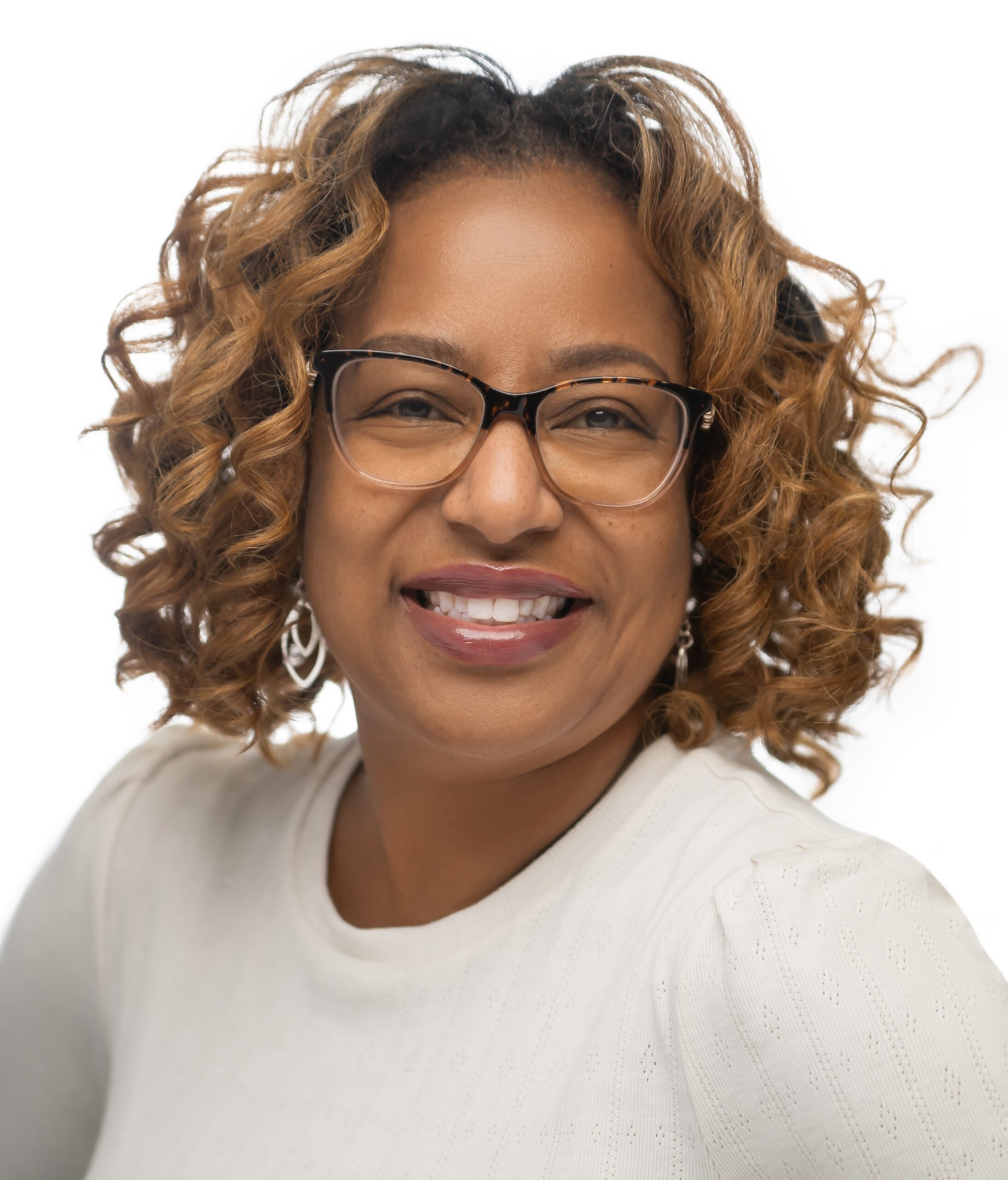
The Illinois House of Representatives recently commended ABPM Diplomate, Adrienne L. Adams, M.D., “for her significant impact on the field of psychiatry and her dedication to community service and social justice” and recognized her achievements as the first Black woman elected president of the Illinois Psychiatric Society (IPS). She is certified by ABPM in Addiction Medicine and is currently serving as IPS’ Immediate Past President.
Dr. Adams spoke with us about why she finds her Addiction Medicine career rewarding, why physicians should get involved with their specialty associations, and what all physicians should know about Addiction Medicine.
Can you tell us about your path to a career in Addiction Medicine? What drew you to this subspecialty?
I took a non-traditional path. I am trained and board certified in Child & Adolescent Psychiatry and was always an educator. However, over the years I noticed there were limited services for my patients that had co-occurring disorders. The opioid crisis hit and things worsened. I then re-assessed how I can help my patients access more substance use disorder (SUD) treatment. I completed workshop training, received the waiver, took a new position as Medical Director for a residential for Adolescents with SUD, and realized substance use disorder work is fascinating. I connected with the Illinois Society of Addiction Medicine, who were so encouraging, so I applied [for the Addiction Medicine certification exam] via the practice pathway and took my board [exam], and the rest is history, as they say.
What has been the most rewarding aspect of your work in Addiction Medicine?
That is a great question. I have felt immense satisfaction in being a resource for the adolescent population with substance use disorders. In my time as a Medical Director for an adolescent SUD residential facility and sober living home, I had the opportunity to work with a patient whom I treated several times, but with the third admission she wanted a different outcome, so we were able to transition her to a sober living house where she was able to enroll in a credit recovery online school. She graduated and started community college. I was also honored to be invited to join the editorial board for the ASAM.
What, if anything, do you think is misunderstood about Addiction Medicine? What would you like other physicians to better understand about this field?
There is still a misconception that substance use disorders are a choice, affect only certain groups, and should be stigmatized. Advances in Addiction Medicine have shown that substance use disorders are medical conditions that alter brain functioning and arise from multiple risk factors. I would like all physicians to recognize substance use disorders as treatable medical conditions and approach patients with compassion, evidence-based care, and without stigma.
You’ve been actively involved in several professional organizations, including serving as president for the Illinois Psychiatric Society. What has motivated your involvement and how do you think physicians benefit from engagement in their professional associations?
The world of medicine is not perfect. Early in my career I felt professional organizations at times were exclusive and not representative of physicians such as myself. But while growing in Detroit in a nurturing family it was ingrained “to not be satisfied with the status quo and to push for change.” While I always consider our professional societies to be pillars of excellence and we should represent our professions at the highest level, I also believed that physicians should provide community engagement. Thus, professional societies need physicians to not only be members but to be active members. Reciprocally, physicians need the collective power of our societies to be that voice for advocacy in federal and state legislation that affects patient care, our profession, and healthcare.
What achievements during your term as president of the Illinois Psychiatric Society (IPS) are you most proud of?
This is a hard question; I feel my achievements as President are IPS achievements and vice versa. I am proud of the work that our Executive Council completed during my tenure. We collaborated with other stakeholders to maintain evidence-based practices within legislation. I represented IPS as the psychiatric expert for a panel hosted by the Honorable Danny Davis at the Congressional Black Caucus Foundation event in Washington, DC, which was a neat experience. I feel proud that we are in our fourth year of the Carl Bell Memorial Award competition that I initiated and was supported by IPS to implement for high school students within Illinois. Lastly, I was able to help my charity pick, Mercy Home for Boys and Girls, get awarded $4,000 in a competition for deserving charities.
Are there policy or system-level changes you believe would most improve care for patients with substance use disorders?
There are others with far more experience who can answer this question comprehensively. But from my viewpoint, I think some of the school systems are on the right path of providing resources for interventions since we know that early intervention can reduce the risk of chronic SUD. So, I think allocating more resources to school systems and families for SBIRT [Screening, Brief Intervention, and Referral for Treatment], increasing our formularies within insurance companies which would approve more MAT for people under 18 years old, and allocating more resources such as MAT services to our marginalized communities including those within the legal system.
What does board certification mean to you and how has it impacted your career or practice?
Board certifications are important in that I hope it provides trust to our patients that we as physicians practice no harm and will provide only evidence-based care.
What advice would you give to a medical student or early-career physician who is considering a career in Addiction Medicine?
I would recommend getting exposure as early as possible, such as SUD clinical experience or research, attending ASAM or local meetings, or even participating in an interest group for Addiction Psychiatry or Addiction Medicine, and finding a mentor within the field.
Is there anything else you’d like to share with the ABPM community about your work or experiences?
Thank you for the opportunity.