Skip to content
The American Board of Preventive Medicine
X
Become Certified
  • Value of Certification
  • Certification Overview
  • Dates & Fees
  • Exam Content Logistics
  • Exam Content
  • Exam Pass Rates
Stay Certified
  • Continuing Certification (CCP)
  • Regain Certification
  • Program Directors
About
  • Contact Us
  • About Us
  • History of the Board
  • Board of Directors
  • Staff
  • Annual Report
  • ABPM Policies
  • By Laws
FAQs
  • Specialty FAQS
  • Subspecialty FAQS
  • Certification Exam FAQs
  • CCP FAQs
News & Events
  • News
  • Dates & Fees
  • Physician Lookup
Physician Portal
The American Board of Preventive Medicine
  • About
    • Contact Us
    • About Us
    • History of the Board
    • Board of Directors
    • Staff
    • Annual Report
    • ABPM Policies
    • Bylaws
  • FAQs
    • Specialty FAQS
    • Subspecialty FAQS
    • Certification Exam FAQs
    • CCP FAQs
  • News & Events
    • News
    • Dates & Fees
  • Contact Us
  • Physician Lookup
Search
  • Become Certified
    • Value of ABPM Certification
    • Certification Overview
    • Specialties
    • Subspecialties
    • Pending Approval
    • Dates & Fees
    • Exam Logistics
    • Exam Content
    • Exam Pass Rates
  • Stay Certified
    • Continuing Certification (CCP)
    • Regain Certification
  • Program Directors
  • Meet the Board: Tom Granatir

    Meet the Board: Tom Granatir

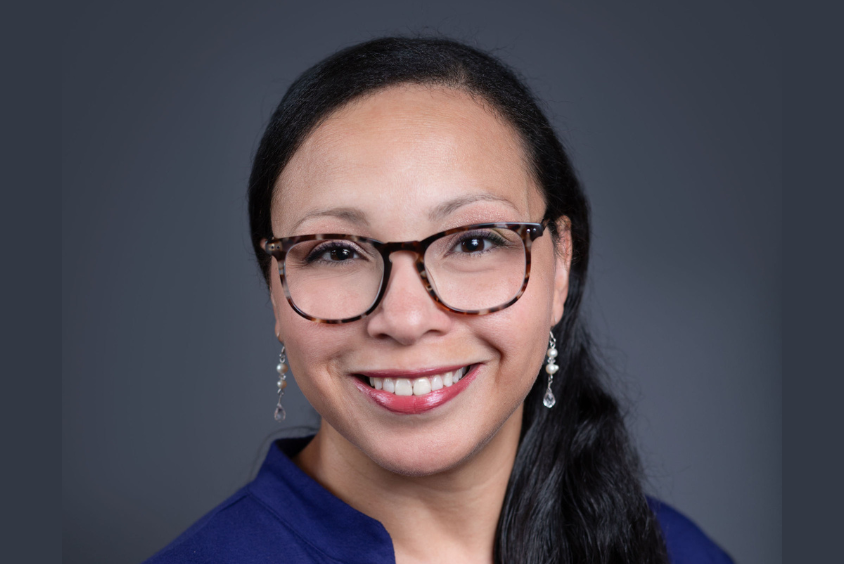
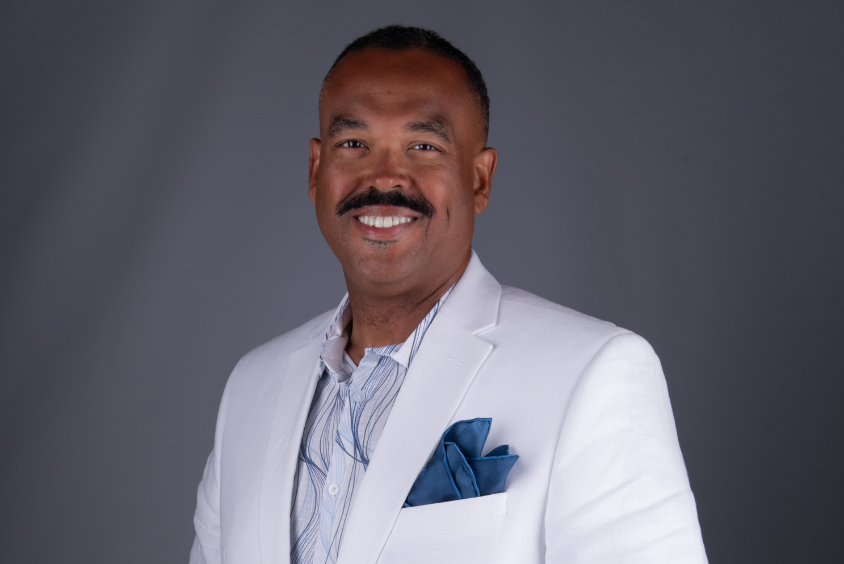
    Mr. Tom Granatir, ABPM’s Public Member, has substantial experience in health policy and a deep interest in physician certification. Beginning his term in August 2026, he has already proven himself a thoughtful contributor to board discussions.

    In our interview, Mr. Granatir discussed his journey to a career with the American Board of Medical Specialties, his perspective as a non-physician on the value of board certification, and more.

    Tell us about your career path and what led you to ABMS and your interest in board certification.

    I feel like I need to go back to my beginnings to answer this question.

    I didn’t realize that I was destined to work in health policy until I found myself in it. After finishing my undergraduate studies in philosophy and French literature, I worked in university publishing and taught guitar at the Chicago Conservatory. When I started musing about a graduate degree in political philosophy, my wife encouraged me to look for something more practical, so I entered a new program in public policy at the university.

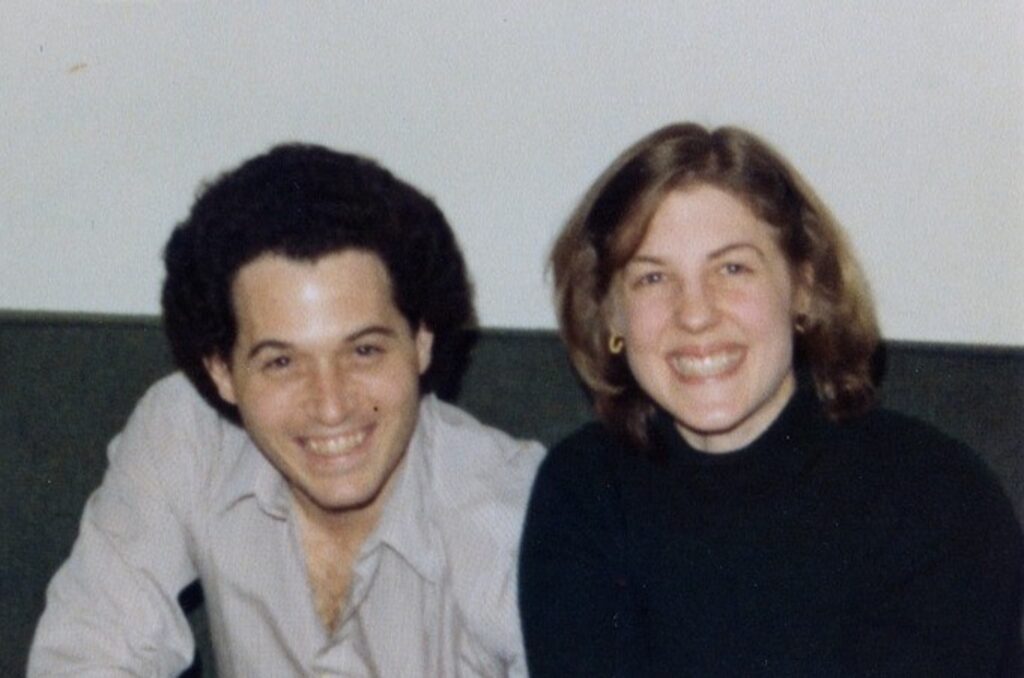
    Tom with his wife, Nancy

    I thought it would be prudent to specialize in one area, and the university happened to be well-endowed with courses in health policy, so that’s where I focused my studies. But in retrospect, it seemed an obvious choice. As a teenager, my uncle, then a well-known public health physician at Yale, lived with my family in Washington DC to create the newly enacted Medicare program. So there was a lot of health policy talk around the dinner table during my formative years.

    My career took me through a variety of sectors of the health system, including mental health, hospital, long-term care, health plan, and public health policy, but the unifying theme of all my work experience was my interest in the improvement of quality and safety.

    Just prior to ABMS, I had been working for a large health plan doing public health work in England. I didn’t know much about certification, but I had worked for the Joint Commission, so I understood the parallel process of accreditation. At the time, ABMS was interested in enhancing recognition of specialty certification in the domestic quality movement. My goal was to find a place that was more aligned with my personal values.

    I didn’t realize at the time, nor did ABMS and the boards, how much they were going to need my policy and advocacy experience. I joined ABMS in 2010, just before the beginning of the ferocious political backlash against Maintenance of Certification.

    From your perspective as a non-physician, what is the value of board certification?

    As a patient, it’s easy to see the importance of a system that validates specialty physician expertise. Health care is scary and dangerous, and we need to trust the competence and professionalism of our physicians.

    As a policy analyst, I can see that certification plays a far larger role than people often recognize – even many who participate in and contribute to certification. By defining the contours of a discipline, and enumerating the knowledge, skills, and behaviors essential to expert practice in it, the boards set standards for the goals of training, Plus, by setting and enforcing standards for specialty expertise, the boards, along with the other institutions of the profession, serve a vital social role in maintaining trust in the profession as a whole. And as a national credential, certification is one of the few signals available about the quality of physician care.

    Tom and Nancy’s grandchildren

    What do you see as the unique value of having public members involved in physician certification and governance?

    It’s important – or perhaps just occasionally useful – to have a voice representing the public interest at the table. The value of certification is determined not by producers of certification and not exclusively by participants in the process, but also by the users of the certification – patients, health systems, employers – and the public. I see my role as a public member as speaking up for these other stakeholders.

    What has stood out to you most as you’ve learned about Preventive Medicine and ABPM?

    The most striking thing about ABPM is how diverse the board is, and how different from the other specialty disciplines. It is hard to tell a simple story about what ABPM is about, and it is equally hard to apply all the conventions developed for the other disciplines to apply to Preventive Medicine.

    What do you hope to accomplish during your term on ABPM’s Board of Directors?

    I hope to encourage the board not to be constrained by the conventions of certification programs and to do some creative long-term thinking about what the future of certification should be for your disciplines.

    Fortunately, I feel that ABMS may be more willing than they were in the past to let the board innovate to find a path that most meets the needs of your diverse disciplines and constituencies. At least I hope that’s the case.

    What hobbies or other activities do you enjoy outside of work?

    Reading, walking, biking, language study.

    Is there anything else you’d like to share about yourself with the ABPM community?

    The motto of my university is a Latin phrase that means, “Let knowledge grow, and let life be enriched.”

    I’ve already found my time with ABPM to be very enriching.

    Clare Foreman

    April 1, 2026
    Newsletter
  • Meet the Board: Judith McKenzie, MD, MPH

    Meet the Board: Judith McKenzie, MD, MPH

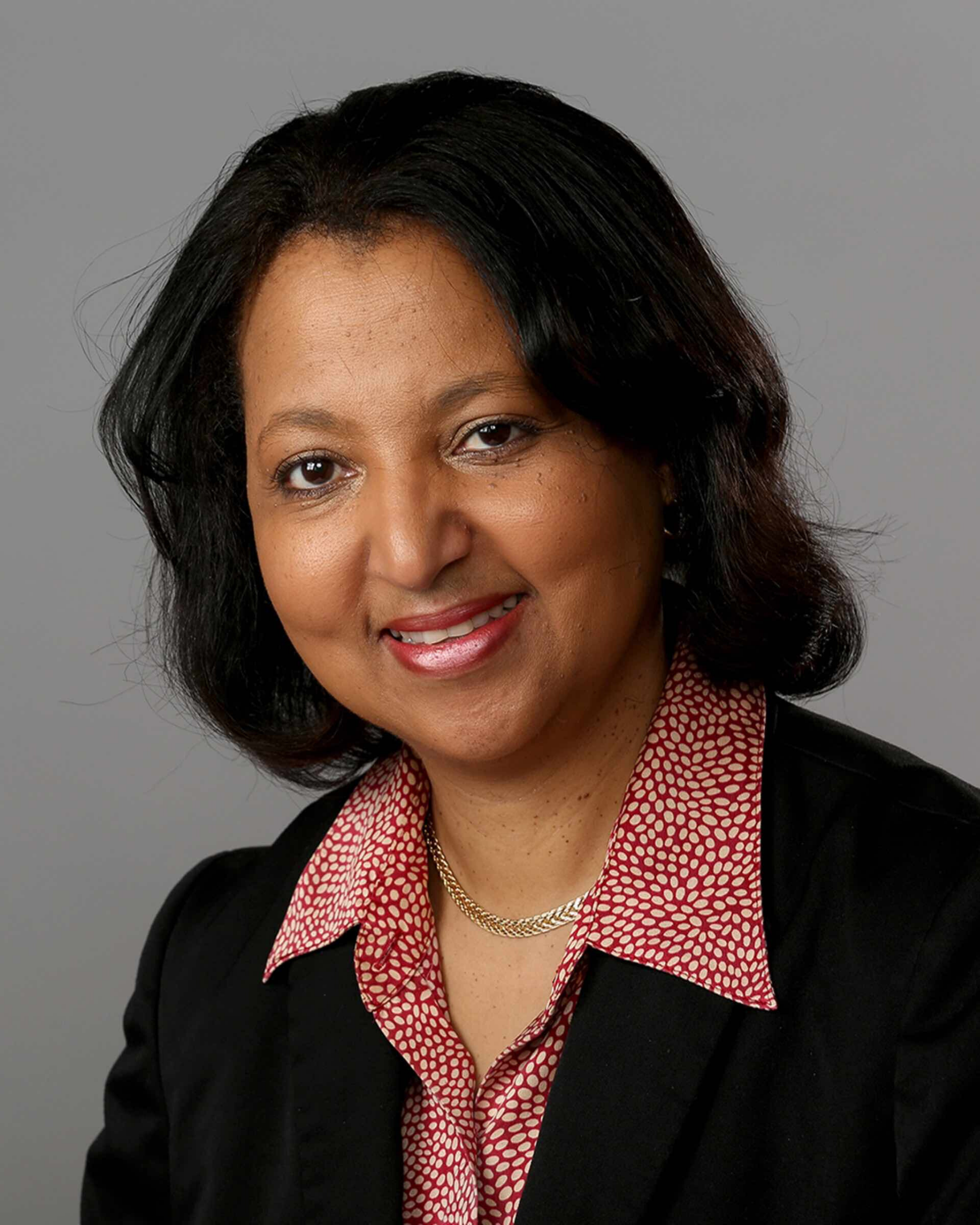
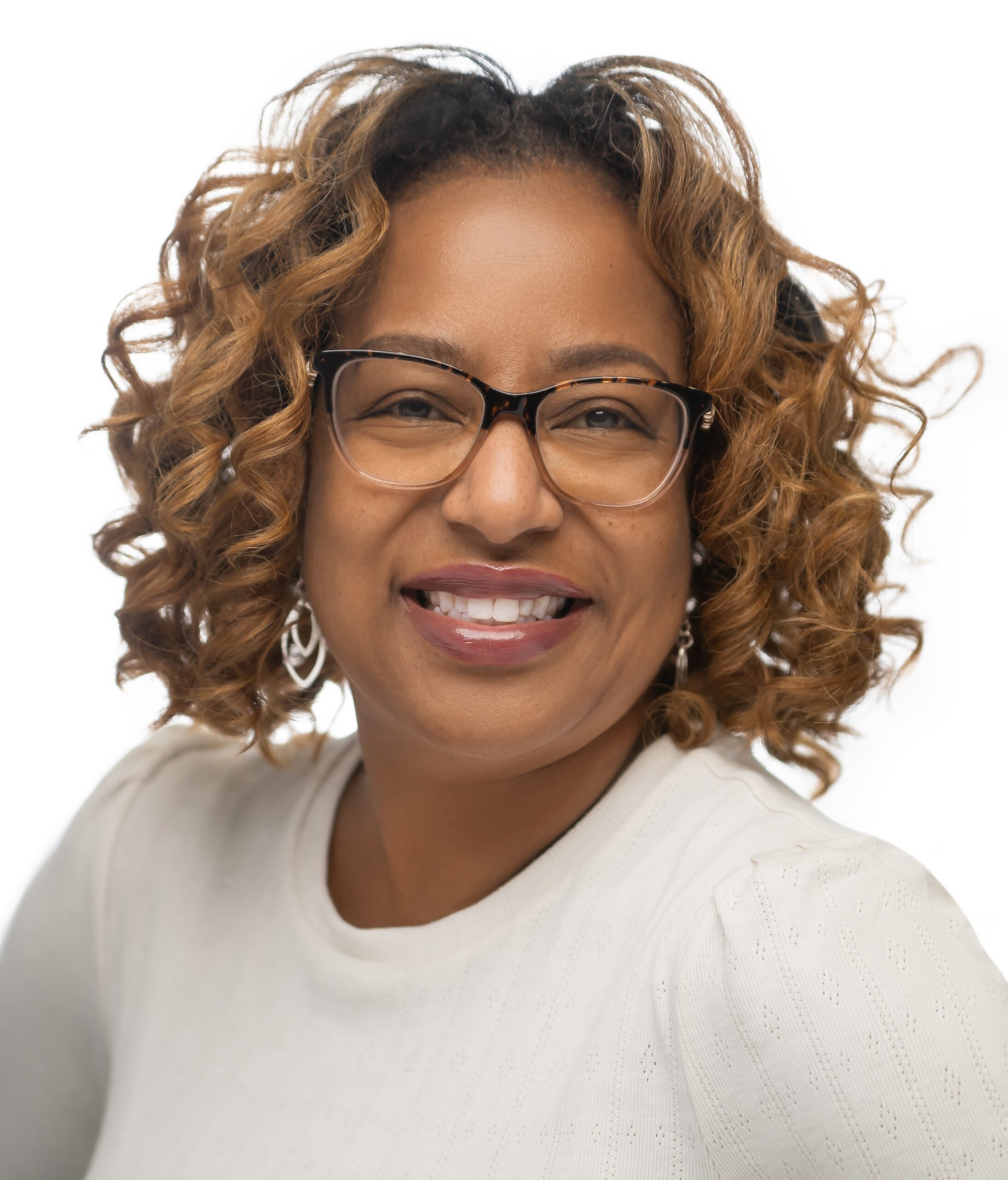
    Judith McKenzie, MD, MPH, who officially began her term on ABPM’s Board of Directors in August 2025, is certified in Occupational and Environmental Medicine and currently serves as Medical Officer for the Occupational Safety and Health Administration’s (OSHA) Office of Occupational Medicine and Nursing.

    With an extensive background in medical education, Dr. McKenzie has a passion for Occupational and Environmental Medicine and for increasing its visibility early on in a physician’s training. She spoke to us about this and much more: continue reading to learn more about one of our newest board members!

    What led you to a career in medicine, and specifically, the specialty of Occupational and Environmental Medicine?

    I began my career in medicine as an internist at New York University/Bellevue Hospital, where I also served as an Assistant Professor following my training. I had long been interested in public health and took the opportunity to focus my undergraduate and medical school theses at Princeton and Yale respectively, on public health topics. While considering how to integrate public health with my work in internal medicine, I was introduced to Occupational and Environmental Medicine. It immediately resonated. This specialty offered a unique opportunity to care not only for individual patients, but also to improve the health of worker populations, workplaces, and communities, and to lead and evaluate the outcomes of proactive preventive and surveillance programs. That dual impact, clinical and population-based, felt like a natural fit. I went on to pursue formal training in OEM through a fellowship at Johns Hopkins. That experience solidified my commitment to the field. It was the beginning of a journey that has allowed me to combine medicine, public health, and prevention in a meaningful and impactful way.

    What is the value of board certification for you?

    Board certification reflects demonstrated competency in the field and a commitment to one’s specialty. It represents prioritizing continuous improvement, and dedication to delivering the highest quality care to the populations we serve.

    What do you see as the biggest opportunity for Occupational and Environmental Medicine in the next five to ten years?

    A key opportunity for growth in Occupational and Environmental Medicine (OEM) is addressing the specialty’s physician workforce shortage. This will require increasing OEM’s relevance across medicine, integration into undergraduate and graduate medical education, and scaling innovative training models. Enhancing the visibility of the field so that students and residents recognize OEM as a viable career option early in their training, rather than discovering it later, as many currently do, is important. Strengthening the workforce in this way will expand our ability to protect the health and well-being of workers and communities. As the nature of work continues to evolve and new occupational and environmental hazards emerge, OEM expertise will play an essential role in supporting safer, healthier, and more sustainable workplaces, reducing costs, and improving productivity. Teaching, research, and expert clinical OEM knowledge and practice are important to help safeguard the health of workers, communities, and the environment and contribute to the nation’s broader public health and economic stability.

    What do you hope to accomplish during your term on ABPM’s Board of Directors?

    During my term on the ABPM Board of Directors, I hope to work collaboratively with colleagues and stakeholders to strengthen the infrastructure for OEM training, and for public health specialties more broadly, while addressing the workforce shortage. As a lifelong educator, this is deeply personal having seen firsthand the impact of missed opportunities when a specialty is not visible early in training. I am passionate about increasing awareness of OEM and public health specialties, clarifying their scope, and creating pathways that enable more physicians to choose these fields earlier in their careers. Ultimately, my goal is to help grow and sustain the specialty so we can better serve workers and communities, locally and globally, and help ensure that our physician workforce meets the nation’s needs.

    What hobbies or other activities do you enjoy outside of work?

    Outside of work, I enjoy spending time with family and friends and value being present in those moments. I have always loved reading, writing poetry, and stamp collecting and also enjoy sewing, crochet, and spending time outdoors walking, swimming or gardening.

    Is there anything else you’d like to share about yourself with the ABPM community?

    I am honored to serve as a Director on the ABPM Board and excited to contribute to the continued advancement of our field. I look forward to working alongside our thoughtful and dedicated colleagues to strengthen our specialty and make a meaningful impact.

    Clare Foreman

    April 1, 2026
    Newsletter
  • Letter from the Chair – April 2026

    Letter from the Chair – April 2026

    Thank you for reading this issue of ABPM’s newsletter!

    ABPM’s Board of Directors held its annual meeting in January, where we had productive discussions on several important topics, most notably our upcoming strategic plan. We’re excited to unveil the plan in the coming months. It will introduce several new initiatives aimed at better serving our diplomates, increasing the value of ABPM certification, and strengthening our specialties and subspecialties.

    The January meeting also marked the first official meeting for our two newest Board members, Dr. Judith McKenzie and Mr. Tom Granatir. Dr. McKenzie, who represents Occupational and Environmental Medicine on the Board, and Mr. Granatir, who serves as the public member. We are excited to have them both and they have already proven to be tremendous assets to our organization. Both share more about themselves later in this issue, so be sure to keep reading.

    Spring is a busy and exciting time for us at ABPM as we prepare to attend the annual conferences of several of our partner specialty societies. If you plan to attend any of these meetings, please stop by the ABPM booth to meet our staff, ask your certification questions, or simply say hello. I’ll also be speaking about initial and continuing certification at both the American Occupational Health Conference (AOHC) and Preventive Medicine 2026 and I hope to see you there!

    The 2026 application cycle also opened on March 11. We are now accepting applications from qualified physicians for all our specialties and subspecialties, including Health Care Administration, Leadership, and Management (HALM) and Undersea and Hyperbaric Medicine, which are administered in even-numbered years only.

    As the weather warms, trees bud, and flowers bloom once again, I’m reminded of how we renew our commitment each year to ABPM’s mission: to certify qualified physicians and to extend, encourage, and enhance the study and standards of practice while advancing the cause of preventive medicine. We know it takes all of us working together to fulfill this mission and we appreciate the support of our stakeholders.

    Thank you for the work you do every day to improve the health of the communities you serve. We’re grateful to have you as part of the ABPM community and look forward to sharing more updates with you in the months ahead.

    Yours in good health,

    Heather O’Hara, MD, MSPH, FACOEM, FACPM

    Clare Foreman

    April 1, 2026
    Newsletter
  • News from Our Partners – April 2026

    American College of Occupational and Environmental Medicine (ACOEM)

    ACOEM News

    Attend ACOEM’s 110th American Occupational Health Conference (AOHC)

    It’s not too late to register for ACOEM’s American Occupational Health Conference. AOHC 2026 Chicago will take place at the Sheraton Grand Chicago Riverwalk April 19–22. Don’t miss this opportunity to join over 1,100 of your peers for one of the largest occupational and environmental medicine conferences in the world! ACOEM members save $430 over nonmembers. Learn more about the benefits of belonging and consider joining ACOEM today to save on AOHC registration and ACOEM’s other educational opportunities including pre- and post-conference courses taking place just before and just after AOHC. Registration for the courses is separate — you don’t need to attend the annual conference to register for a pre- or post-conference course.


    Interactive Public Safety Medicine Course Available Now

    ACOEM is excited to announce that the Public Safety Medicine Course is officially live and available on ACOEM’s Online Learning Center.

    This is the only on-demand CME course built specifically for physicians and healthcare providers who conduct fitness-for-duty evaluations of public safety employees. Whether you evaluate law enforcement officers, firefighters, EMS personnel, correctional officers, or tactical team members, this course was designed for you.

    Physicians and other healthcare providers who complete the course will be listed in ACOEM’s Public Safety Medicine Find-a-Provider directory (expected to launch in Q3/Q4 2026), connecting you with public safety departments seeking qualified evaluators.


    Practice Income and Benefits Summary Available Now

    The 2025 Physicians’ Practice Income and Benefits Survey is available for download. This survey features compensation data for 10 key OEM positions, and detailed benefits insights from 192 participating physicians. To access the survey, simply log into your ACOEM Connect account and add the report to your cart. The $299 fee will be waived for members as you move through the purchase process. Nonmembers can purchase the survey for $299.


    Membership Renewal

    ACOEM members: don’t let your membership lapse! Take a few minutes to renew your membership to maintain access to resources, discounted CME opportunities, and OEM community support. ACOEM welcomes ABPM Diplomates to join at a special rate. Call 847.818.1800 or email us for details.

    For a limited time, ACOEM members who refer a new member to the College can save up to $125 on their next renewal. Your colleague can save up to $165 when they become a member. Do you know someone who should join ACOEM? Share this link: https://bit.ly/4lI46vk and promo code NMREF2026 with a colleague and you’ll both win!

    New members and some returning members have access to a 20% discount on some of ACOEM’s most popular content, including:

    • Commercial Driver Medical Examiner Online Course
    • Medical Review Officer Online Course
    • Medical Review Officer Assistant Training

    And more! Contact us for more information.


    Updated Medical Review Officer (MRO) Online Course Now Available – Featuring LIVE Discussions!

    Whether you’re pursuing certification for the first time or renewing your credentials, MRO training enhances your credibility and expands your scope of services. ACOEM’s updated 2025 Online Course offers:

    • Bi-monthly interactive LIVE discussions with faculty
    • Practical case studies and decision-making exercises
    • Flexible online format—learn at your own pace, engage in real time

    Check out ACOEM’s updated Online Course to get started or stay certified.


    Save the Date for the 5th Annual Virtual Summit – November 4–6, 2026

    Earn AMA PRA Category 1 Credits™ during this three-day virtual summit consisting of half-day sessions. The summit will include live Q&A with faculty and opportunities to connect with colleagues worldwide and will cover timely OEM foundations. Watch for registration to open in late spring 2026.

    The window is open for session proposal submissions. If you missed the 2025 Virtual Summit you can catch up and earn CME by purchasing the recordings online.


    AMA Guides 6th Edition 2024 Updates: Upper Limb, Lower Limb, Spine, and Nervous System – Earn 3 CME Credits

    This on-demand course provides instruction on the updated musculoskeletal and nervous system chapters in the 6th Edition 2024 Digital. Learn more.


    AOHC 2025 Austin – Encore Recordings Available

    Did you miss the 109th AOHC held in Austin last April? Access 91 hours of content and earn AMA PRA Category 1 Credits™ with AOHC Encore Recordings.


    Additional Learning Opportunities

    Medical Center Occupational Health Basics includes over 200 hours of CME and is available through ACOEM’s Online Learning Center.

    Register for ACOEM’s Q2 webinars:

    Lifestyle Medicine Friday, May 8, 2026
    Overview of Gulf War Illness Tuesday, September 1, 2026

    Webinars are free for members, and many include CME. Check out our library of recorded webinars. Nonmembers can register for live webinars for $25 and access past recordings for $50.

    Guidance for Medical Evaluation of Public Safety Employees is a platform available by subscription, offering tools to support the health and readiness of public safety personnel. Subscribe today!


    OccPod Podcast

    Tune in to ACOEM’s podcast, OccPod, featuring conversations on key OEM issues. Available on major podcast platforms or directly online.

    American College of Preventive Medicine (ACPM)

    ACPM News

    Join ACPM in May for PM 2026

    Join your colleagues in Baltimore, MD, from May 14-17 to stay up-to-date with the latest trends, research and best practices in the field, while earning over 20 hours of CME. Advance rate ends April 13.

    Register today

    ACPM Launches PrevEd Plus

    Get unlimited access to ACPM’s catalog of online CME for one low price through PrevEd Plus — a new annual CME subscription designed to make your professional development easier, more accessible and more cost effective than ever.

    For just $150 per year, PrevEd Plus gives you access to over 30 hours of CME content created by preventive medicine physicians for preventive medicine physicians, with new content added regularly. That’s a more than $1,300 value if purchased separately!

    Learn more here.

    Volunteer to Help Shape ACPM

    ACPM is inviting members to apply for committee positions that help shape the future of the College and the specialty. This is a chance to contribute to key conversations, influence organizational priorities and support the long‑term strength of the specialty. Current ACPM members are encouraged to apply by April 9 for two‑year terms beginning after PM2026.

    Learn more about available opportunities and apply here.

    Earn Your AI in Preventive Medicine and Public Health Certification

    Artificial Intelligence (AI) is increasingly transforming how healthcare professionals diagnose, treat and prevent diseases — enabling more personalized and efficient care. In this 10-module certification course, physicians will learn to start with a clear understanding of the problem to be solved, define objectives and evaluate data requirements to ensure successful implementation of AI tools.

    Learn more here.

    Gain Competencies in Public Health Emergency Preparedness and Response

    ACPM is offering a series of 12 courses on Public Health Emergency Preparedness and Response, covering a range of critical topics. Learners will have an opportunity to acquire new knowledge or refresh key concepts and related perspectives to be better informed and equipped and contribute to the planning and response of public health emergencies.

    Learn more here.

    American Medical Informatics Association (AMIA)

    AMIA News

    AMIA’s Amplify Informatics Conference | May 18-21 | Denver, CO

    AMIA’s Amplify Informatics Conference is where both clinical and translational research informaticians come together to learn, grow their careers, and shape the future of healthcare. Connect with colleagues from across practice settings. Learn from experts who are leading in the field. Strengthen your professional network. Amplify your informatics impact.

    At AMIA’s Amplify Informatics Conference, you can dive deep into informatics through:

    • 300+ peer-reviewed presentations across two areas of interest: clinical and translational research informatics
    • 3 keynotes to inspire your Amplify Informatics Conference
    • 4 year-in-review sessions reflecting on how informatics has grown
    • Networking events, including new topic tables where clinical and translational research informaticians can come together and discuss key insights from the meeting

    Register today!

    Unlock the Power of AMIA Membership

    AMIA connects clinicians, researchers, and technology experts to advance health through informatics. Join AMIA and tap into a network that fuels innovation and career growth.

    Your membership includes:

    • Connections with colleagues – Create your professional network across disciplines and institutions.
    • Collaborative spaces – Listen and be heard through AMIA Connect, committees, task force teams, and working groups.
    • Events that matter – AMIA’s industry-leading conferences (Annual Symposium and Amplify Informatics) and virtual forums are designed for connection that spurs collaboration for years to come.

    Join AMIA today!

    AMIA Now: Informatics education that fits your schedule

    AMIA Now gives you on-demand access to over 184 hours of education from the leading voices in informatics — in sessions that average just 10 to 15 minutes. Earn education credit at your own pace, on any device, when and where it works for you. One 12-month subscription unlocks the full searchable library, plus new content as it’s released throughout the year. Start learning on your schedule.

    American Society of Addiction Medicine (ASAM)

    ASAM News

    ASAM 57th Annual Conference

    April 23 – 26, 2026 | San Diego, CA

    The ASAM Annual Conference is the defining event in addiction medicine, bringing together all professionals to connect, learn, and inspire. Explore the latest science, research, and innovations in the field. Enhance your conference experience by attending a pre-conference course on Benzodiazepine Tapering Decisions: Basic Principles through Complex Management or Improving Care for Women with Substance Use Disorders: From Evidence to Action.

    Learn More.

    DEA Required SUD Education

    Complete your 8-hour DEA training while gaining practical skills to treat and manage patients with substance use disorders. Apply evidence-based strategies, improve outcomes, and advance your expertise in addiction medicine.

    Learn More.

    Free ASAM PCSS-MOUD Online Case-based Learning Collaboratives on Opioid Withdrawal

    Elevate your skills and confidence in treating opioid withdrawal by joining live or watching on-demand our interactive, case-based, four session online learning collaborative. Each session brings real world cases to life through expert led discussions. Perfect for healthcare team members new to caring for patients with opioid use disorder and at risk of opioid withdrawal, this series delivers practical strategies, fresh insights, and the confidence to provide effective care.

    Live Virtual & Recorded | Learn More & Register

    Medications for Alcohol Use Disorder: Considerations for Patients with Comorbid Conditions

    Treating patients with comorbid conditions can be challenging, but prescribing medications for alcohol use disorder (MAUD) to these patients doesn’t have to be. This infographic serves as a quick reference guide for clinicians to safely prescribe MAUD to patients with a variety of common comorbid conditions.

    Why the Famous J-shape Curve Suggesting Health Benefits from Alcohol is Likely False

    Curious about the old adage that a little bit of alcohol is good for one’s health? This 10-minute video challenges that belief by outlining available research, which suggests that when controlling for biases, there are no protective health benefits from low-volume drinking and instead show a linear increase in mortality risk as alcohol consumption rises.

    American College of Academic Addiction Medicine (ACAAM)

    ACAAM News

    Addiction Medicine Education Designed to Inform Patient Care

    The American College of Academic Addiction Medicine (ACAAM) is a national leader in advancing addiction medicine education for today’s healthcare workforce. Through its National Addiction Medicine Didactic Curriculum, ACAAM delivers expert-led learning that keeps clinicians current on the evolving science and practice of addiction medicine.

    Developed by academic addiction medicine community, the curriculum addresses topics that directly inform the care of individuals with substance use disorders. Sessions explore areas such as social determinants of addiction, the epidemiology of substance use disorders, toxicology testing, and emerging clinical and public health trends—content that supports evidence-based decision-making across a range of care settings.

    Because substance use disorders affect patient outcomes, care coordination, and health systems well beyond specialty addiction treatment, staying informed about developments in the field supports more effective care across disciplines. All curriculum content is mapped to the American Board of Preventive Medicine (ABPM) addiction medicine certification standards, reinforcing its relevance to both certification preparation and real-world clinical practice.

    Learn more at acaam.org.

    Clare Foreman

    March 31, 2026
    Newsletter
  • Letter from the Chair – January 2026

    Letter from the Chair – January 2026

    Happy New Year! I hope you have enjoyed a happy and fun-filled holiday season. Thank you for reading the first issue of ABPM’s newsletter in 2026!

    ABPM concluded its first year of the Longitudinal Assessment Program (LAP) on December 31 and I am so grateful for the engagement of so many of our diplomates! I truly appreciate your participation in ABPM’s programs that exemplifies your commitment to lifelong learning and your dedication to the principles of board certification – a promise to the patients and populations you serve to remain up-to-date on current topics, continuously hone your skills, and refresh your knowledge.

    We’re looking forward to the LAP’s second year in 2026. During this pilot phase of the LAP, which extends through 2029, ABPM is collecting data and feedback to inform any needed revisions to the program, with the goal of delivering a relevant, flexible, and meaningful LAP for all specialties and subspecialties when the final version launches in 2030. With that in mind, please respond to the survey you will receive in the coming weeks and feel free to share your comments with us throughout the year as you answer LAP questions. We want your feedback to be included during this process to ensure we are achieving the needs of our diplomates!

    In this issue of the newsletter, we are proud to share an interview with ABPM diplomate, Dr. John Clarke. Certified in Occupational and Environmental Medicine, Dr. Clarke not only discusses his always-varied day-to-day work as an OEM physician, but about the unique way he communicates important health and safety topics. Please don’t skip our interview with him!

    As always we encourage our diplomates to share their experience practicing an ABPM specialty or subspecialty, as well as any ideas or feedback. Please reach out to us at [email protected]. We would love to hear from you!

    Finally, I’d like to extend my heartfelt wishes to all members of ABPM’s community for a happy and healthy new year!

    Yours in good health,

    Heather O’Hara, MD, MSPH, FACOEM, FACPM

    [email protected]

    January 2, 2026
    Newsletter
  • Rapping Doctor Uses Rhymes to Deliver Key Public Health Messages

    Rapping Doctor Uses Rhymes to Deliver Key Public Health Messages

    John Clarke, MD, MBA, MS, FACOEM, FAAFP, is the National Medical Director of Occupational Medicine for AstraZeneca and the Senior Medical Director for Premise Health, has served in several other senior medical leadership roles, and is an active ABPM diplomate certified in Occupational and Environmental Medicine (OEM).

    Google his name, though, and you’ll find that his skills don’t stop there. Known as the “Rapping Doctor,” Dr. Clarke uses his musical and rhyming talents to inform kids – of all ages – about important health and safety topics, from diabetes, to train safety, to H1N1, using a genre he calls Health Hop®.

    Dr. Clarke was kind enough to talk to us about his career, his current work as an OEM physician and his passion for health education through music.

    Why did you choose a career in medicine?

    My dad suggested medicine as a career for my brother and me and we both became doctors. This was because of his experiences where health care professionals did not always do the right thing or give him a good experience. He had hypertension, which spiraled into malignant hypertension, and ultimately kidney failure. I was about ten years old when this occurred, and it made an impression that fostered a passion for me to pursue medicine with a focus on disease prevention.

    After practicing family medicine for several years, what led you to pursue the specialty of Occupational and Environmental Medicine (OEM)?

    I was about six years into practice as a family physician when I first learned that OEM existed. I had never heard of the specialty. However, my wife is an NP and one of her colleagues took a job with a large Wall Street firm. This was interesting to me and as I learned more, I was drawn to the fact that there was a medical specialty that operated outside of the insurance billing system. At that point in my career as a family physician I was somewhat frustrated with the focus on volume of patients and rationing of services to generate profit versus quality time spent with patients and the potential compromising of care. OEM provided an opportunity to create and implement effective wellness strategies and provide quality illness and injury prevention services to large populations, especially since maintaining a healthy and productive workforce represents a financial incentive to organizations.

    As the National Director of Occupational Medicine at AstraZeneca, what does your typical work day look like?

    There is no “typical” day as there is a wide a variety of responsibilities. That is what excites me about the role. My responsibilities are not limited to OEM, as we also provide primary care services at some of the AstraZeneca locations. So, I also get to wear my Family Medicine hat as I am the clinical supervisor for NPs and PAs around the country.

    On one day I may need to review and update an SOP [Standard Operating Procedure] or advise the leadership on a policy such as fitness for duty or ADA accommodations, etc. On other days I may need to provide guidance on a challenging workplace injury or disability case. There are times when I may need to travel to a manufacturing plant or research facility to conduct a site visit, or address a potential workplace exposure matter, or give an illness prevention talk on a topic such as diabetes to workers.

    You’ve been called the “Rapping Doctor.” Can you tell us about how you got into Health Hop®?

    I began writing rap songs at eight years old; I started composing tracks and making hip hop beats at about 13 years old. I majored in music and sociology at Columbia University and was offered a professional recording contract during my junior year. However, my passion to become a physician outweighed my desire to be a rap artist and producer. I pursued medicine and rap remained a hobby. During my family medicine residency, we were experiencing an asthma epidemic in New York City, where I trained. I knew that effective patient education was essential to achieving compliance among asthma patients. In the population we served, most asthmatic patients were teens, children, and young adults and many of the parents were young. Much of that demographic embraced Hip Hop culture and the American Academy of Pediatrics had recommended a culturally sensitive approach to asthma education. In addition, there is a science behind the effectiveness of rap songs in stimulating memory and learning (described below).

    To reach the population, I wrote and produced a rap song, “Asthma Stuff,” and helped produce an educational video featuring a music video for “Asthma Stuff.” The results and feedback were excellent and demonstrated the effectiveness of using a rap song and video to teach. Health Hop® was born and I began producing songs on dozens of topics including asthma, teen pregnancy, HIV, STIs, violence, diabetes, metabolic syndrome, allergies, sickle cell disease, psoriasis, melanoma, smoking prevention, depression, etc.

    The science behind Health Hop®:
    The rationale for the approach was based upon several teaching and learning theories.

    • Rhythm and rhymes are known to stimulate memory (i.e. mnemonics, jingles used in marketing)
    • The Educational Theory, where learning is combined with an activity that the audience perceives as fun, cool and relatable (i.e. Barney Show, Sesame Street)
    • The Musical Intelligence Theory, based upon the premise that music stimulates memory and learning (i.e. Alzheimer’s patients, Mozart Effect)
    • The Multiple intelligences Theory, a form of multisensory learning, where we learn by seeing, moving, hearing, etc. (i.e. using slides during a presentation, music videos).

    I’ve watched several of your rap videos and found them both fun and informative. What is your process to ensure they are engaging while focusing on the message?

    Accuracy, authenticity, and artistic quality are the most essential elements. I keep on tune with what type of rap is popular at the time and the type of production the hip hop audience is gravitating towards. I created my first Health Hop song “Asthma Stuff” in 1997 so this has evolved over the years.

    I begin the writing process by researching the medical topic and I base the content on the most current evidence-based information. I then write the lyrics. I either write lyrics that tell a story, or I present the information in a factual manner. For example, for topics like HIV prevention, violence prevention, pregnancy, alcohol and substance use prevention and diabetes prevention I wrote story-based raps. For other topics like asthma, COVID, and melanoma I wrote fact-based lyrics.

    I then go to the studio and start composing and producing the tracks. I usually create five to ten beats and choose the one that best fits the flow of the lyrics and mood I am trying to create. For example, for story raps on topics like HIV and substance use I compose dramatic music and for fact-based songs I produce more up-tempo tracks. I seek feedback from others including teenagers to get a sense of what they and their friends like. I then record the vocals, produce, and mix the record.

    For the videos, I create a story board and try to connect the location and setting to the topic and to connect the imagery to the song. I like to use multiple interesting locations to break up the monotony.

    How and where have you shared them so that they reach the target audience?

    Health Hop was created as a tool to complement health education initiatives. The intent is for information to be presented in a didactive form and for the rap songs to be used to reinforce the messages in a palatable way so that the audience will be engaged and remember the information.

    Between 1998 and 2005, I produced a series of Health Hop CDs, and they were used as giveaways by pharmaceutical companies, sold at medical conferences, and sold to health departments and school nurses. The CDs were used to educate patients and students. (I have attached an article that describes a middle school program that incorporated the asthma CD.)

    I also use Health Hop to complement presentations. Over the years I have been invited and featured as a speaker on topics that I have covered using Health Hop. I have delivered talks at numerous national and local medical conferences, grand rounds, health fairs, high schools, middle schools, and colleges. My technique is to give a didactic lecture and close with a live performance of the song(s) that are relevant to the talk.

    This has been very well received by teens, adults and medical professionals where the audiences are educated and entertained. For many of the presentations to physicians, nurses, and other health professionals I focus on the effectiveness and science behind using rap songs to teach health information.

    Do you have any advice for other physicians who want to harness their creativity to better reach their patients or the populations they serve?

    I refer to the quote from Nike: “Just Do It.” Innovation, diversity of approaches and thought, and simply thinking outside the box is what leads to advancement in education and success in business. This is especially important to consider when addressing problems that exist that are either getting worse or not improving over time. This is an indication that the current approaches are not effectively addressing the problem. Do not be afraid to be different and harness your creativity and talent. You never know what might happen unless you try. I never imagined that rap would have been part of my medical practice until I imagined and employed rap as a solution to reaching the adolescent population. This is one of the toughest populations to reach. However, I have successfully connected with many high school and middle school audiences and have gotten feedback that Health Hop did make an impact.

    What myths about OEM would you like to dispel?

    I would like to dispel the myth that OEM clinicians are just “company docs” and somehow less impactful than those practicing in traditional roles. My opinion is shaped by my experiences as a family physician in comparison to my experience in OEM. OEM impacts more than health, safety, and wellness. We help people maintain employment which allows them to support their families and maintain benefits such as health coverage. We also impact the safety of the public and help the economy. We assist companies in maintaining a productive workforce, a safe workplace with fewer injuries, which can help reduce costs to consumers. The pandemic is a notable example where many organizations turned to OEM providers to remain viable and properly navigate the pathway for survival while others failed.

    What advice do you have for those who are considering a career in OEM?

    Make sure to have solid foundation with clinical experience.

    Understand that in many OEM roles you do not necessarily generate income or profit for an organization, so it is important to be able to articulate and demonstrate ways you add value. The value OEM offers is largely through cost savings based upon injury and illness reduction and prevention, helping organizations comply with regulatory requirements such as OSHA, keeping the workforce productive, and advancing wellness initiatives.

    Keep abreast with the impact of technology and AI on employers and the workforce and the resulting evolution of the role of the OEM provider.

    What books are you reading? Do you have any you would recommend for other OEM or Preventive Medicine physicians?

    My reading comprises of articles and peer-reviewed, web-based resources and content more than books. I use and recommend the ACOEM Guidelines, Official Disability Guidelines (ODG), NIOSH, StatPearls, and UpToDate. I typically read peer-reviewed journal articles that address the specific area of interest or question at hand that I am investigating. I recommend that OEM and Preventive Medicine physicians become proficient at analyzing articles to distinguish quality research vs weak data and questionable conclusions. This is especially important at a time when social media influencers and others can propagate misinformation that may be adapted as the truth despite a lack of evidence. This surfaced quite a bit during the pandemic and may continue to create greater challenges.

    What is the importance of board certification to you?

    I was practicing occupational medicine for about ten years before I pursued board certification. I was able to complete my occupational medicine residency training at the Harvard Chan Occupational and Environmental Medicine Residency Program through the Complementary Pathway program that allowed me to be prepared and qualified to take the board examination.

    Board certification had the most significant impact on my expertise and marketability and consequently opened the door to a greater number of opportunities and higher levels of responsibility. Along with that came major boosts to the perception of my credibility, the perception of my expertise and respect in the field as well as an increase in earning potential. Investing time and resources to become board certified yielded a tremendous return on investment.

    Is there anything I haven’t asked about that you’d like to share with the ABPM community?

    I recommend we all take note of the NIOSH funding reductions and the impact on OEM training opportunities and the impact that this will have on the future. We should all explore ways to help preserve funding and support for NIOSH and the specialty of OEM if possible.

    [email protected]

    January 2, 2026
    Newsletter
  • Letter from the Chair

    Letter from the Chair

    Greetings and thank you for reading this issue of ABPM’s newsletter!

    An important part of ABPM’s mission is to certify physicians in their chosen specialty or subspecialty. After a busy summer that included reviews of over 2,100 applications, we are excited to move into exam season and prepare to welcome our next group of Diplomates.

    This record-setting year of applications occurred as the practice pathway option ended for Addiction Medicine and Clinical Informatics. Applying for initial certification through the practice pathway requires review of quantitative and qualitative practice requirements that can be described in a variety of ways by the applicant. Reviews of these types of applications often require a level of focus and understanding to ensure applicants have met the necessary practice requirements. Our Addiction Medicine and Clinical Informatics reviewers dedicated countless hours to complete this year’s record number of application reviews. Their ability to conclude their reviews within the set timeline all while maintaining the same level of attention to detail as experienced throughout the past seven years is amazing! On behalf of ABPM’s Board and staff, I’d like to express my deep appreciation for their work, not just this year, but in all the preceding years as well.

    The skills and experience of preventive medicine specialists and subspecialists are pivotal in our healthcare system – but often go unnoticed. In this issue, we feature an interview with an ABPM diplomate certified in both Public Health & General Preventive Medicine and Addiction Medicine who was recently honored as an Unsung Hero by the National Hispanic Medical Association. This is just one story that underscores the often unseen contributions of preventive medicine physicians. We hope you are inspired by these outstanding accomplishments.

    In my final thoughts for this issue, I want to join the ABPM staff, as well as past and current Board members, in recognizing the life of Loreta Krutulis, Chief Administrative Officer at the ABPM. For those that had the opportunity to meet Loreta, I know you experienced a professional, intelligent and caring woman. We send our deepest condolences to her family and friends and, though we are saddened by her passing, we know that she will continue to live in our hearts.

    Thank you for reading this issue; if you have a story you’d like to share with us and the larger ABPM community, we welcome you to reach out to us at [email protected]. And to those preparing to take this year’s exams – I wish you every success!

    Yours in good health,

    Heather O’Hara, MD, MSPH, FACOEM, FACPM

    [email protected]

    October 1, 2025
    Newsletter
  • How Preventive Medicine Breaks Down Barriers: An Interview with Maria Carmenza Mejia, MD, MPH, FACPM, FASAM

    How Preventive Medicine Breaks Down Barriers: An Interview with Maria Carmenza Mejia, MD, MPH, FACPM, FASAM

    ABPM diplomate Maria Carmenza Mejia, MD, MPH, FACPM, FASAM, has spent her career as a preventive medicine physician serving communities facing many barriers to health care and addiction services.

    In recognition of her efforts, the National Hispanic Medical Association presented her with the Unsung Hero Award at its 2025 conference. This award honors physicians whose work inspires others but often goes unnoticed. Certified by ABPM in both Public Health and General Preventive Medicine and Addiction Medicine, Dr. Mejia is a Professor in the Department of Population Health and Social Medicine at the Schmidt College of Medicine at Florida Atlantic University in Boca Raton.

    Dr. Mejia with Dr. Mirza Rahman

    In an enlightening conversation, Dr. Mejia provides a glimpse into the work of a preventive medicine physician.

    First of all, congratulations on receiving the Unsung Hero Award from the National Hispanic Medical Association! What does this recognition mean to you?

    Thank you. This award is incredibly meaningful because it shines a light on the work that often happens quietly, in partnership with communities that are too often overlooked. It honors the resilience of those we serve and reaffirms the importance of culturally rooted, equity-driven healthcare.

    What led you to a career in medicine?

    I always knew I wanted to be a physician. Growing up in Colombia, I spent much of my childhood helping my father in his office and accompanying him on visits. He cared for patients from all walks of life, and I saw that regardless of their background, each person came with vulnerability and deserved to be treated with dignity. Those early experiences gave me a deep understanding of medicine as both a science and a service. I went on to become a physician in Colombia, and after migrating to the U.S., that commitment only grew stronger as I witnessed similar barriers to care in underserved communities here.

    What was your journey to the specialty of Public Health & General Preventive Medicine and the subspecialty of Addiction Medicine?

    After moving to the U.S., I completed a Master of Public Health at University of Florida, which solidified my interest in prevention, equity, and population health. While working as a researcher at Vanderbilt, I came across the specialty of Preventive Medicine for the first time. I hadn’t been aware it existed, but it immediately resonated with me because it integrated clinical care with public health and systems-based thinking. I went on to complete residency training in Preventive Medicine at Meharry Medical College and then joined Baylor College of Medicine as an Assistant Professor in the Department of Family and Community Medicine.

    While at Baylor, one of my colleagues was struggling to find support to maintain clinical services at Santa Maria Hostel, a community partner serving women with substance use disorders. The population they served, marginalized, often overlooked, and in critical need of care, deeply resonated with me. I stepped in to help and soon realized how significant the gaps were in addiction care. Working at Santa Maria shaped my approach to trauma-informed, compassionate care and deepened my understanding of how substance use is intertwined with trauma and social determinants of health. That experience led me to pursue the practice pathway to become board-certified in Addiction Medicine.

    What first inspired your commitment to address health disparities?

    My commitment is shaped by my lived experience as a woman, an immigrant, and a member of an underrepresented group in medicine. I began my career working in the lab and continue to engage in translational research, but I quickly realized that the most urgent challenges in health are not just scientific, they are also contextual. As I spent more time with patients and communities, I saw how factors like language access, health literacy, economic stress, and gaps in preventive care profoundly affect outcomes. These patterns are especially clear in the underserved populations I’ve had the privilege to work with. I’ve come to believe that providing care is only part of our responsibility. We must also engage in efforts to improve the systems that shape health, through research, education, and partnerships grounded in trust and shared purpose.

    From your experience, what are some of the most persistent barriers to healthcare in the populations you serve? How have you addressed those barriers?

    In many of the communities I’ve served, persistent barriers to healthcare include limited access to preventive services, difficulty navigating complex health systems, and gaps in continuity of care. Health literacy plays a central role, not only among patients, but also among providers who may not always feel equipped to communicate complex information clearly or tailor care to individual needs. Other challenges, such as stigma related to behavioral health or substance use, can further limit engagement with care.

    To address these barriers, I have focused on strategies that strengthen communication and foster trust. This includes developing patient-facing tools designed for varying levels of literacy, providing training and support for providers on shared decision-making and culturally responsive care, and integrating community health workers into care teams to enhance outreach and navigation. By combining these approaches, we can help ensure that preventive services are both accessible and meaningful for the populations who stand to benefit most.

    Can you share a specific example of a program or intervention you’ve been involved in that successfully reduced disparities in care or access?

    One example I’m particularly proud of is a lung cancer screening and tobacco cessation initiative that I helped lead while serving as Co-Program Director at Harris Health System, one of the largest safety-net systems in the country. We recognized early on that many eligible patients, especially those from low-income or limited English proficiency backgrounds, were not being reached by traditional screening programs. To address this, we implemented a multi-level strategy that included provider training in shared decision-making, culturally and linguistically appropriate educational materials, and a patient navigation model led by trained health educators.

    We also piloted a low-literacy patient decision aid, adapted for Spanish-speaking populations, and streamlined clinic workflows to make shared decision-making feasible within busy primary care settings.

    As a result, we were able to improve screening engagement among underserved groups and strengthen referrals to tobacco cessation services. This initiative highlighted how thoughtfully designed systems grounded in prevention, patient education, and provider support can make a meaningful difference in reducing disparities and promoting early detection.

    What is your typical workday like?

    For almost a decade, I practiced clinically as a Preventive and Addiction Medicine physician, and that experience has continued to ground my work. Staying connected to patients helped me appreciate the complexities of care delivery and the importance of aligning public health efforts with the realities of everyday life.

    In my current role, I am not engaged in direct clinical care, but I am actively leading efforts to develop and implement addiction services within academic and community settings. Much of my time is dedicated to building community partnerships, working with cross-sector collaborators, and designing programs that respond to local needs. I also lead grant-funded initiatives, mentor medical students and junior faculty, and support research focused on prevention, behavioral health, and population health.

    My days often include writing proposals and manuscripts, participating in collaborative planning meetings, and working closely with colleagues in medicine, social work, computer science, public health, and community-based organizations. Every day looks a little different, but the common thread is building systems and strategies that can support healthier communities in a sustainable and equitable way.

    What would you most like other physicians to know about Public Health and General Preventive Medicine and Addiction Medicine?

    Both Public Health and Preventive Medicine and Addiction Medicine offer powerful tools to understand and address the upstream factors that influence health across the lifespan. These specialties give physicians a systems-level perspective that looks beyond individual symptoms to the broader conditions shaping health outcomes, including environmental, behavioral, and structural influences.

    I often share with colleagues that these fields are not separate from clinical medicine. Instead, they complement and enhance it. They focus on root causes, early intervention, and treating the whole person, not just the symptoms. Preventive and Addiction Medicine help us think critically about population needs, health equity, and long-term outcomes. In Addiction Medicine in particular, the ability to combine clinical care with public health principles is essential to addressing a complex and evolving public health crisis.

    I encourage more physicians to explore these pathways, not only for the knowledge and skillset they offer, but also for the opportunity to lead transformative work that improves both individual and community health.

    What is the value of board certification to you?

    Board certification represents a commitment to continuous learning, professional integrity, and accountability to the patients and communities we serve. For me, being board-certified in both [Public Health and General] Preventive Medicine and Addiction Medicine reinforces the importance of bridging clinical care with public health principles. It provides a foundation for evidence-based decision-making and signals to colleagues, trainees, and institutions that I hold myself to a nationally recognized standard of excellence.

    Are there any myths you want to dispel about Public Health and/or Addiction Medicine?

    Yes. A common myth is that public health is separate from clinical care, or that it’s just about data and surveillance. In reality, public health is about shaping the environments and systems where health can happen. It provides the foundation for prevention, early intervention, and care that addresses the full context of people’s lives.

    Similarly, addiction is often misunderstood as a moral failing rather than what it truly is—a chronic, treatable condition. Like diabetes or hypertension, substance use disorders require comprehensive, evidence-based care, as well as compassion and long-term support. Unfortunately, stigma continues to interfere with access to treatment and quality care.

    Another misconception is that prevention is passive or less urgent than treatment. In truth, prevention is proactive and deeply impactful. These specialties are not only scientifically rigorous but also essential to advancing health equity, improving outcomes, and supporting sustainable change at both individual and population levels.

    What books are you reading now? Anything you’d recommend for those interested in preventive medicine?

    I recently revisited The Health Gap by Michael Marmot, which offers a compelling look at how inequality drives health outcomes and why addressing social determinants is critical to prevention.

    Another book I often recommend is Dopesick by Beth Macy. It’s a powerful narrative about the opioid crisis in America that humanizes the epidemic while also exploring its policy and healthcare dimensions. Both books offer important insights for anyone working in prevention, addiction, or population health.

    Anything you’d like to share with the ABPM community that I haven’t asked about?

    I am truly grateful to be part of the ABPM community. Preventive and Addiction Medicine have shaped how I approach every aspect of my work, from program development to mentoring and research. These fields have helped me stay focused on what really matters: improving care, expanding access, and supporting long-term health at both the individual and population levels.

    I also want to highlight the importance of mentorship and visibility. Throughout my career, I have seen how meaningful it can be for early-career professionals to find support and see examples of diverse leadership in these specialties. I hope we continue building inclusive pathways into preventive medicine and encouraging the next generation of leaders in public health and addiction medicine.

    [email protected]

    October 1, 2025
    Newsletter
  • Letter from the Chair

    Letter from the Chair

    Thank you for reading this issue of ABPM’s newsletter!

    I hope your summer is off to a great start! ABPM has been busy since our last newsletter.

    We recently concluded another successful application cycle, during which we were pleased to receive over 1,900 applications. As may be expected, we received a record number of both Addiction Medicine and Clinical Informatics applications during this final year to apply through the practice pathway for these subspecialties. In addition, we continue to receive applications for Health Care Administration, Leadership and Management (HALM) that surpass expectations. We’re happy to see the enthusiasm and support for our newest subspecialty!

    We’ve also been busy attending our partner specialty and subspecialty societies’ annual conferences this spring! In addition to exhibiting at these conferences, we’ve made presentations about initial certification and even sponsored special question-and-answer sessions focused on our Continuing Certification Program (CCP) and the new longitudinal assessment program (LAP)! We’re grateful for the opportunity not only to attend but to also share vital information with our diplomates at these events. We know that change can be difficult and we hope these events help with everyone being well-informed and comfortable with what is expected of them as we continue through to full implementation.

    Coming up next, we’re looking forward to our Interim Board meeting in August. ABPM’s current five-year strategic plan concludes in 2026, so at the upcoming meeting we’ll be engaged in deep discussions about both short- and long-term plans, what are crucial priorities for the Board to accomplish, and the future of our specialties and subspecialties. Stay tuned as we continue discussions within the Board, external stakeholders, and you, our Diplomates, to shape plans to ensure ABPM’s continued success! It takes everyone in our community to keep us flourishing!

    With all the best for a happy and healthy summer,

    Heather O’Hara, MD, MSPH, FACOEM, FACPM

    [email protected]

    July 1, 2025
    Newsletter
  • Eight Questions with Dr. Heather O’Hara

    Eight Questions with Dr. Heather O’Hara

    Serving as a Board member since 2019, Dr. Heather O’Hara began her term as the Chair of the Board in August 2024. Last interviewed shortly after she joined the Board, we were excited to check in again with her recently and talk to her about ABPM’s goals and challenges, and why she’s excited about the future of ABPM and preventive medicine.

    Now that you’ve served on the Board for a few years, what have you learned about ABPM, its diplomates, or certification that you didn’t know before your term on the Board?
    When I started on the Board in 2019, I knew the ABPM was responsible for certifying Preventive Medicine physicians but admittedly that was really all I thought they did. Since that time, the level of engagement with stakeholders, including our specialty societies, identifying opportunities to grow the organization, and developing innovative paths for maintaining certification have all been aspects I’ve learned about throughout my experience on the Board. I have also come to realize that the organization was going through major changes when I joined and with the diligent work that is provided through its volunteers and small, but mighty staff, has been able to exponentially advance the overall status of the ABPM.

    What are you most hoping to accomplish during your term as Board Chair?
    At the end of my term as Board Chair I want to know that across our specialties and subspecialties we are working together to promote each other with the common goals of increasing the pipeline, expanding awareness of our field, and promoting the expertise of preventive medicine physicians. I know that these areas have been worked on across various groups individually, but the ability for us to work collaboratively will magnify our presence to ensure that these goals can be achieved.

    What do you want diplomates to know about ABPM’s Board and/or the work it does?
    It is important for diplomates to know that the Board works tirelessly to thoughtfully and strategically consider the requirements presented by ABMS to develop programs that are meaningful to them. Additionally, we invite, and in fact, appreciate feedback that will help us to make sure we are doing just that. ABPM diplomates should actively seek to respond to inquiries when requested but also feel comfortable in contacting the ABPM if there are concerns, questions, or even if they just want to send kudos.

    What are the Board’s top current priorities?
    The ABPM Board understands the unique challenges facing our specialties with the long-standing practice of residencies being funded through grants. This issue is not just with any one area and impacts the entire house of Preventive Medicine. The importance of engaging with all stakeholders to fully understand the breadth of the issue and collaborating to identify the best approaches to supporting our programs, future diplomates, and the field as a whole allows for the development of a strategic plan of action and mindful utilization of resources.

    What are some of the challenges facing ABPM in the next five years? How is ABPM addressing those challenges?
    As we come to the end of our five-year strategic plan in 2026, one major challenge for ABPM is identifying what the next steps will be that will build on the momentum and accomplishments afforded the organization thus far. In the next five years challenges will continue to include ensuring the continuing certification program is fully implemented and the structures in place support the accurate assessment of current and future diplomates. However, we also have an opportunity to support in other ways that will be meaningful to the specialties and subspecialties with increasing awareness and visibility through advocacy and programs. As we embark on establishing the best ways to advocate and establish these programs that will facilitate this process, we know it will be strengthened through the active engagement and collaboration of our diplomates, specialty and subspecialty societies, as well as other key stakeholders. We look forward to continuing to build on these relationships as we move forward.

    What is most encouraging to you about ABPM’s future?
    The ability for ABPM to be more strategic and flexible in its activities provides an opportunity for the organization to be proactive instead of reactive. The ABPM has the right people in the right place at the right time. The discussions that occur are not in an echo chamber but are critically assessed to understand the short and long-term benefits and consequences to the preventive medicine community – this will keep us moving forward into the future!

    What have you found most rewarding about being on ABPM’s Board?
    During my time on the Board, the most rewarding aspect is being part of a group of people who are enthusiastic and passionate about the work that preventive medicine physicians perform. Everyone on the Board provides their unique perspectives on the challenges that are presented, allowing for truly thoughtful discussions and decisions to transpire.

    What do you enjoy doing outside of your professional and Board responsibilities?
    Not much has changed since I joined the Board. I still enjoy spending time with my family, cooking new and classic recipes that I know my kids are going to eat, and traveling with my family. The biggest change from 2019 would be the addition of Carly (4), who is the true boss of the house and keeps the boys CJ (10) and Caleb (8), as well as my husband, Charles, in line.

    [email protected]

    July 1, 2025
    Newsletter
1 2 3 … 7
Next Page

The American Board
of Preventive Medicine

111 West Jackson Boulevard,
Suite 1408 Chicago, IL 60604

Become Certified

  • Value of Certification
  • Certification Overview
  • Dates & Fees
  • Exam Registration
  • Exam Information
  • Exam Content Outline
  • Exam Pass Rates

Stay Certified

  • Continuing Certification (CCP)
  • Regain Certification

Resources

  • Program Directors
  • News & Events
  • About Us
  • Contact Us
  • Physician Lookup
  • Physician Portal Login
Become Certified
  • Value of Certification
  • Certification Overview
  • Dates & Fees
  • Exam Registration
  • Exam Information
  • Exam Content Outline
  • Exam Pass Rates
StayCertified
  • Continuing Certification (CCP)
  • Regain Certification
Resources
  • Program Directors
  • News & Events
  • About Us
  • Contact Us
  • Physician Lookup
  • Physician Portal Login

© American Board of Preventive Medicine 2026 – Terms of Use

×