
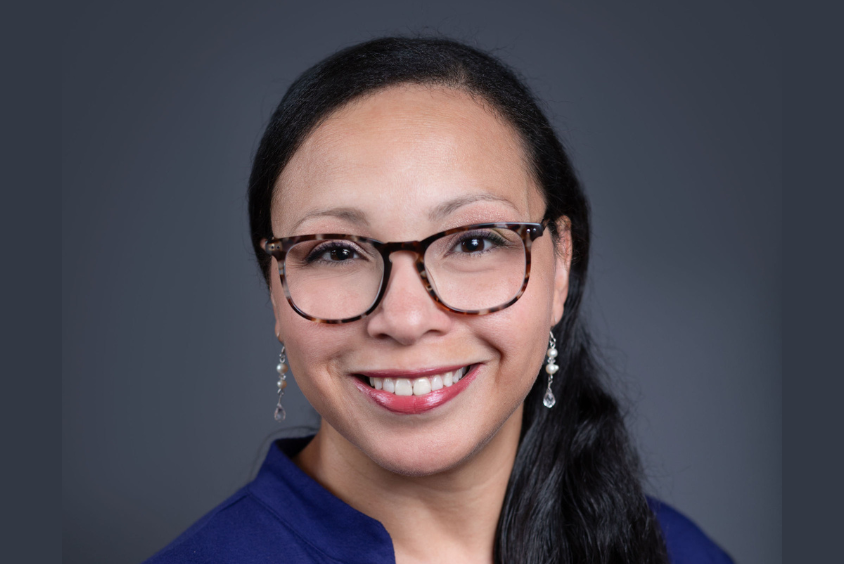
Serving as a Board member since 2019, Dr. Heather O’Hara began her term as the Chair of the Board in August 2024. Last interviewed shortly after she joined the Board, we were excited to check in again with her recently and talk to her about ABPM’s goals and challenges, and why she’s excited about the future of ABPM and preventive medicine.
Now that you’ve served on the Board for a few years, what have you learned about ABPM, its diplomates, or certification that you didn’t know before your term on the Board?
When I started on the Board in 2019, I knew the ABPM was responsible for certifying Preventive Medicine physicians but admittedly that was really all I thought they did. Since that time, the level of engagement with stakeholders, including our specialty societies, identifying opportunities to grow the organization, and developing innovative paths for maintaining certification have all been aspects I’ve learned about throughout my experience on the Board. I have also come to realize that the organization was going through major changes when I joined and with the diligent work that is provided through its volunteers and small, but mighty staff, has been able to exponentially advance the overall status of the ABPM.
What are you most hoping to accomplish during your term as Board Chair?
At the end of my term as Board Chair I want to know that across our specialties and subspecialties we are working together to promote each other with the common goals of increasing the pipeline, expanding awareness of our field, and promoting the expertise of preventive medicine physicians. I know that these areas have been worked on across various groups individually, but the ability for us to work collaboratively will magnify our presence to ensure that these goals can be achieved.
What do you want diplomates to know about ABPM’s Board and/or the work it does?
It is important for diplomates to know that the Board works tirelessly to thoughtfully and strategically consider the requirements presented by ABMS to develop programs that are meaningful to them. Additionally, we invite, and in fact, appreciate feedback that will help us to make sure we are doing just that. ABPM diplomates should actively seek to respond to inquiries when requested but also feel comfortable in contacting the ABPM if there are concerns, questions, or even if they just want to send kudos.
What are the Board’s top current priorities?
The ABPM Board understands the unique challenges facing our specialties with the long-standing practice of residencies being funded through grants. This issue is not just with any one area and impacts the entire house of Preventive Medicine. The importance of engaging with all stakeholders to fully understand the breadth of the issue and collaborating to identify the best approaches to supporting our programs, future diplomates, and the field as a whole allows for the development of a strategic plan of action and mindful utilization of resources.
What are some of the challenges facing ABPM in the next five years? How is ABPM addressing those challenges?
As we come to the end of our five-year strategic plan in 2026, one major challenge for ABPM is identifying what the next steps will be that will build on the momentum and accomplishments afforded the organization thus far. In the next five years challenges will continue to include ensuring the continuing certification program is fully implemented and the structures in place support the accurate assessment of current and future diplomates. However, we also have an opportunity to support in other ways that will be meaningful to the specialties and subspecialties with increasing awareness and visibility through advocacy and programs. As we embark on establishing the best ways to advocate and establish these programs that will facilitate this process, we know it will be strengthened through the active engagement and collaboration of our diplomates, specialty and subspecialty societies, as well as other key stakeholders. We look forward to continuing to build on these relationships as we move forward.
What is most encouraging to you about ABPM’s future?
The ability for ABPM to be more strategic and flexible in its activities provides an opportunity for the organization to be proactive instead of reactive. The ABPM has the right people in the right place at the right time. The discussions that occur are not in an echo chamber but are critically assessed to understand the short and long-term benefits and consequences to the preventive medicine community – this will keep us moving forward into the future!
What have you found most rewarding about being on ABPM’s Board?
During my time on the Board, the most rewarding aspect is being part of a group of people who are enthusiastic and passionate about the work that preventive medicine physicians perform. Everyone on the Board provides their unique perspectives on the challenges that are presented, allowing for truly thoughtful discussions and decisions to transpire.
What do you enjoy doing outside of your professional and Board responsibilities?
Not much has changed since I joined the Board. I still enjoy spending time with my family, cooking new and classic recipes that I know my kids are going to eat, and traveling with my family. The biggest change from 2019 would be the addition of Carly (4), who is the true boss of the house and keeps the boys CJ (10) and Caleb (8), as well as my husband, Charles, in line.