
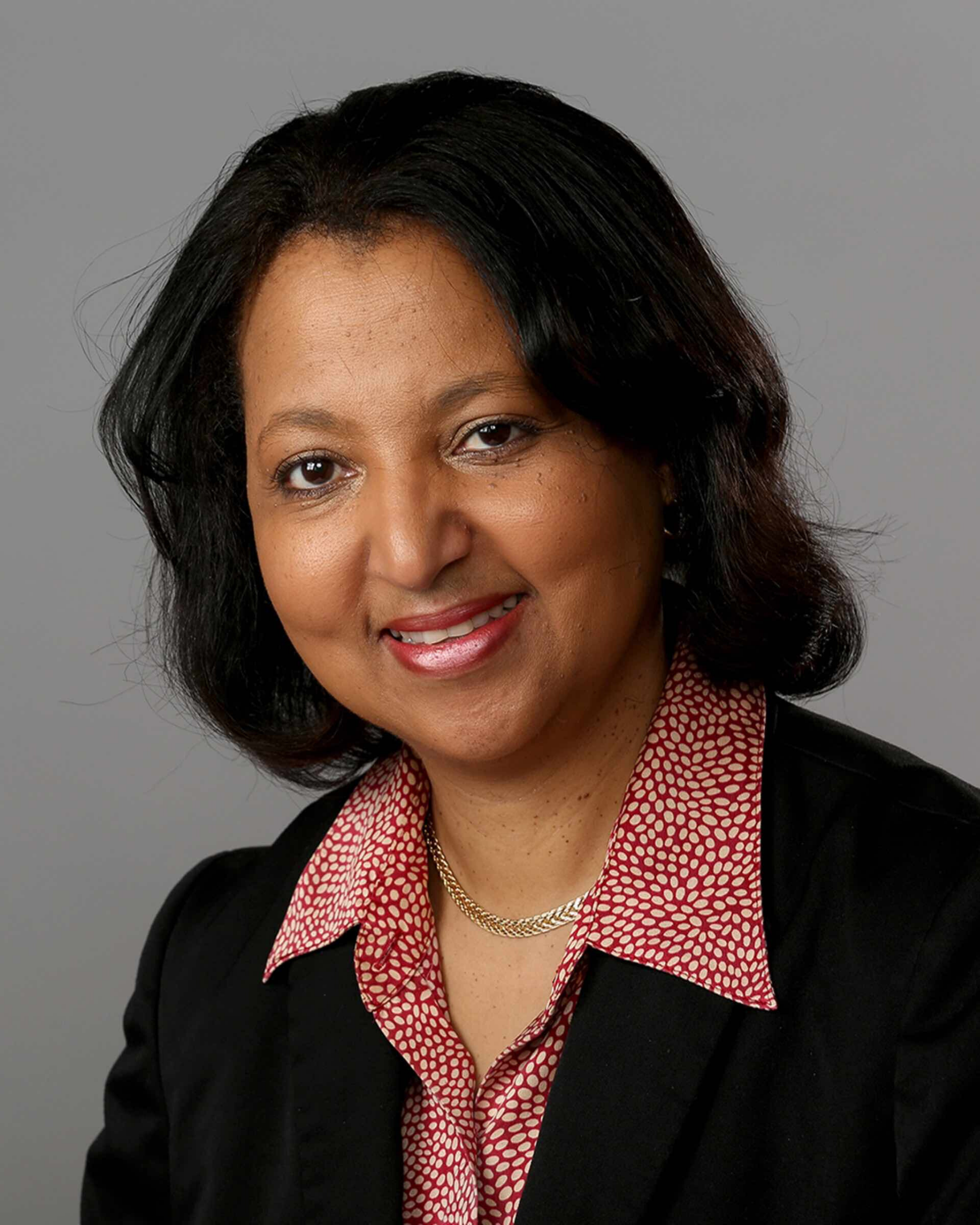
Judith McKenzie, MD, MPH, who officially began her term on ABPM’s Board of Directors in August 2025, is certified in Occupational and Environmental Medicine and currently serves as Medical Officer for the Occupational Safety and Health Administration’s (OSHA) Office of Occupational Medicine and Nursing.
With an extensive background in medical education, Dr. McKenzie has a passion for Occupational and Environmental Medicine and for increasing its visibility early on in a physician’s training. She spoke to us about this and much more: continue reading to learn more about one of our newest board members!
What led you to a career in medicine, and specifically, the specialty of Occupational and Environmental Medicine?
I began my career in medicine as an internist at New York University/Bellevue Hospital, where I also served as an Assistant Professor following my training. I had long been interested in public health and took the opportunity to focus my undergraduate and medical school theses at Princeton and Yale respectively, on public health topics. While considering how to integrate public health with my work in internal medicine, I was introduced to Occupational and Environmental Medicine. It immediately resonated. This specialty offered a unique opportunity to care not only for individual patients, but also to improve the health of worker populations, workplaces, and communities, and to lead and evaluate the outcomes of proactive preventive and surveillance programs. That dual impact, clinical and population-based, felt like a natural fit. I went on to pursue formal training in OEM through a fellowship at Johns Hopkins. That experience solidified my commitment to the field. It was the beginning of a journey that has allowed me to combine medicine, public health, and prevention in a meaningful and impactful way.
What is the value of board certification for you?
Board certification reflects demonstrated competency in the field and a commitment to one’s specialty. It represents prioritizing continuous improvement, and dedication to delivering the highest quality care to the populations we serve.
What do you see as the biggest opportunity for Occupational and Environmental Medicine in the next five to ten years?
A key opportunity for growth in Occupational and Environmental Medicine (OEM) is addressing the specialty’s physician workforce shortage. This will require increasing OEM’s relevance across medicine, integration into undergraduate and graduate medical education, and scaling innovative training models. Enhancing the visibility of the field so that students and residents recognize OEM as a viable career option early in their training, rather than discovering it later, as many currently do, is important. Strengthening the workforce in this way will expand our ability to protect the health and well-being of workers and communities. As the nature of work continues to evolve and new occupational and environmental hazards emerge, OEM expertise will play an essential role in supporting safer, healthier, and more sustainable workplaces, reducing costs, and improving productivity. Teaching, research, and expert clinical OEM knowledge and practice are important to help safeguard the health of workers, communities, and the environment and contribute to the nation’s broader public health and economic stability.
What do you hope to accomplish during your term on ABPM’s Board of Directors?
During my term on the ABPM Board of Directors, I hope to work collaboratively with colleagues and stakeholders to strengthen the infrastructure for OEM training, and for public health specialties more broadly, while addressing the workforce shortage. As a lifelong educator, this is deeply personal having seen firsthand the impact of missed opportunities when a specialty is not visible early in training. I am passionate about increasing awareness of OEM and public health specialties, clarifying their scope, and creating pathways that enable more physicians to choose these fields earlier in their careers. Ultimately, my goal is to help grow and sustain the specialty so we can better serve workers and communities, locally and globally, and help ensure that our physician workforce meets the nation’s needs.
What hobbies or other activities do you enjoy outside of work?
Outside of work, I enjoy spending time with family and friends and value being present in those moments. I have always loved reading, writing poetry, and stamp collecting and also enjoy sewing, crochet, and spending time outdoors walking, swimming or gardening.
Is there anything else you’d like to share about yourself with the ABPM community?
I am honored to serve as a Director on the ABPM Board and excited to contribute to the continued advancement of our field. I look forward to working alongside our thoughtful and dedicated colleagues to strengthen our specialty and make a meaningful impact.