Thank you for reading this issue of ABPM’s newsletter!
I hope your summer is off to a great start! ABPM has been busy since our last newsletter.
We recently concluded another successful application cycle, during which we were pleased to receive over 1,900 applications. As may be expected, we received a record number of both Addiction Medicine and Clinical Informatics applications during this final year to apply through the practice pathway for these subspecialties. In addition, we continue to receive applications for Health Care Administration, Leadership and Management (HALM) that surpass expectations. We’re happy to see the enthusiasm and support for our newest subspecialty!
We’ve also been busy attending our partner specialty and subspecialty societies’ annual conferences this spring! In addition to exhibiting at these conferences, we’ve made presentations about initial certification and even sponsored special question-and-answer sessions focused on our Continuing Certification Program (CCP) and the new longitudinal assessment program (LAP)! We’re grateful for the opportunity not only to attend but to also share vital information with our diplomates at these events. We know that change can be difficult and we hope these events help with everyone being well-informed and comfortable with what is expected of them as we continue through to full implementation.
Coming up next, we’re looking forward to our Interim Board meeting in August. ABPM’s current five-year strategic plan concludes in 2026, so at the upcoming meeting we’ll be engaged in deep discussions about both short- and long-term plans, what are crucial priorities for the Board to accomplish, and the future of our specialties and subspecialties. Stay tuned as we continue discussions within the Board, external stakeholders, and you, our Diplomates, to shape plans to ensure ABPM’s continued success! It takes everyone in our community to keep us flourishing!
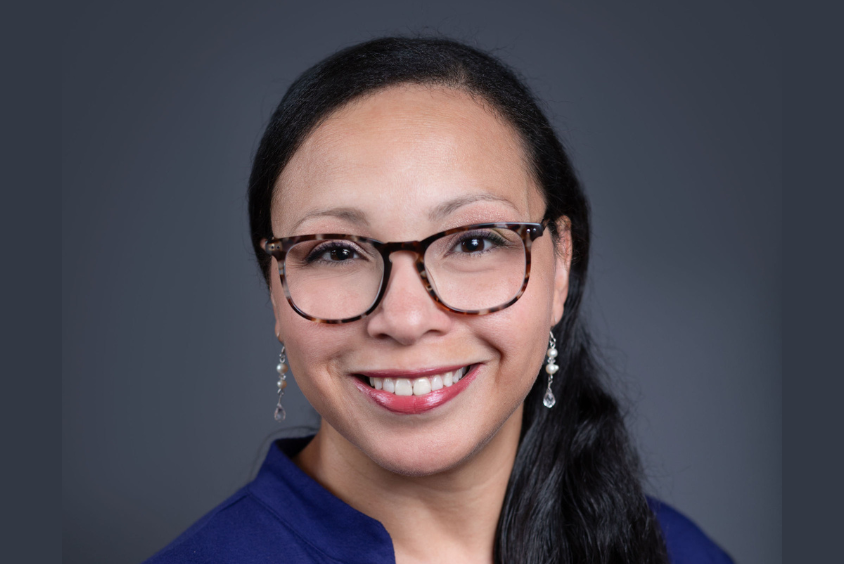
Serving as a Board member since 2019, Dr. Heather O’Hara began her term as the Chair of the Board in August 2024. Last interviewed shortly after she joined the Board, we were excited to check in again with her recently and talk to her about ABPM’s goals and challenges, and why she’s excited about the future of ABPM and preventive medicine.
Now that you’ve served on the Board for a few years, what have you learned about ABPM, its diplomates, or certification that you didn’t know before your term on the Board? When I started on the Board in 2019, I knew the ABPM was responsible for certifying Preventive Medicine physicians but admittedly that was really all I thought they did. Since that time, the level of engagement with stakeholders, including our specialty societies, identifying opportunities to grow the organization, and developing innovative paths for maintaining certification have all been aspects I’ve learned about throughout my experience on the Board. I have also come to realize that the organization was going through major changes when I joined and with the diligent work that is provided through its volunteers and small, but mighty staff, has been able to exponentially advance the overall status of the ABPM.
What are you most hoping to accomplish during your term as Board Chair? At the end of my term as Board Chair I want to know that across our specialties and subspecialties we are working together to promote each other with the common goals of increasing the pipeline, expanding awareness of our field, and promoting the expertise of preventive medicine physicians. I know that these areas have been worked on across various groups individually, but the ability for us to work collaboratively will magnify our presence to ensure that these goals can be achieved.
What do you want diplomates to know about ABPM’s Board and/or the work it does? It is important for diplomates to know that the Board works tirelessly to thoughtfully and strategically consider the requirements presented by ABMS to develop programs that are meaningful to them. Additionally, we invite, and in fact, appreciate feedback that will help us to make sure we are doing just that. ABPM diplomates should actively seek to respond to inquiries when requested but also feel comfortable in contacting the ABPM if there are concerns, questions, or even if they just want to send kudos.
What are the Board’s top current priorities? The ABPM Board understands the unique challenges facing our specialties with the long-standing practice of residencies being funded through grants. This issue is not just with any one area and impacts the entire house of Preventive Medicine. The importance of engaging with all stakeholders to fully understand the breadth of the issue and collaborating to identify the best approaches to supporting our programs, future diplomates, and the field as a whole allows for the development of a strategic plan of action and mindful utilization of resources.
What are some of the challenges facing ABPM in the next five years? How is ABPM addressing those challenges? As we come to the end of our five-year strategic plan in 2026, one major challenge for ABPM is identifying what the next steps will be that will build on the momentum and accomplishments afforded the organization thus far. In the next five years challenges will continue to include ensuring the continuing certification program is fully implemented and the structures in place support the accurate assessment of current and future diplomates. However, we also have an opportunity to support in other ways that will be meaningful to the specialties and subspecialties with increasing awareness and visibility through advocacy and programs. As we embark on establishing the best ways to advocate and establish these programs that will facilitate this process, we know it will be strengthened through the active engagement and collaboration of our diplomates, specialty and subspecialty societies, as well as other key stakeholders. We look forward to continuing to build on these relationships as we move forward.
What is most encouraging to you about ABPM’s future? The ability for ABPM to be more strategic and flexible in its activities provides an opportunity for the organization to be proactive instead of reactive. The ABPM has the right people in the right place at the right time. The discussions that occur are not in an echo chamber but are critically assessed to understand the short and long-term benefits and consequences to the preventive medicine community – this will keep us moving forward into the future!
What have you found most rewarding about being on ABPM’s Board? During my time on the Board, the most rewarding aspect is being part of a group of people who are enthusiastic and passionate about the work that preventive medicine physicians perform. Everyone on the Board provides their unique perspectives on the challenges that are presented, allowing for truly thoughtful discussions and decisions to transpire.
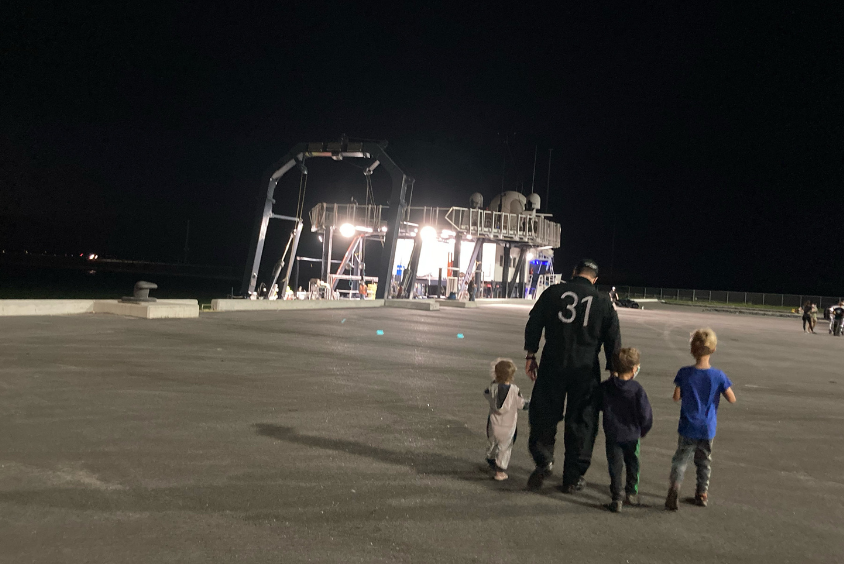
What do you enjoy doing outside of your professional and Board responsibilities? Not much has changed since I joined the Board. I still enjoy spending time with my family, cooking new and classic recipes that I know my kids are going to eat, and traveling with my family. The biggest change from 2019 would be the addition of Carly (4), who is the true boss of the house and keeps the boys CJ (10) and Caleb (8), as well as my husband, Charles, in line.
Thank you for reading this issue of ABPM’s newsletter!
I extend a special welcome to ABPM’s latest cohort of new diplomates, which includes over 900 physicians across all ABPM specialties and subspecialties. By choosing to become board certified, you have shown your commitment to excellence and dedication to continuous learning. Congratulations on passing the exam; we’re so happy to have you in the ABPM community!
I’m happy to report that the launch of the second phase of ABPM’s Continuing Certification Program (CCP) is off to a great start. As you probably know, a major part of this launch was the Longitudinal Assessment Program (LAP), an innovative replacement of the former Maintenance of Certification (MOC) exam. Instead of a single, high-stakes, and in-person examination, the LAP emphasizes learning by offering an online, open-book assessment which physicians can complete at any point within the assessment year and receive immediate feedback on their answers.
ABPM’s LAP could not have gotten off the ground without the time, expertise, and dedication of dozens of volunteers who write, edit, and review the LAP questions every year. For this work we say thank you and we appreciate your support in this endeavor! This is just one way that diplomates can get involved in ABPM’s programs. You’ll hear from one such diplomate in this issue!
Another way to get involved is by nominating yourself or someone else for open Board positions. The Board is currently accepting nominations for qualified physicians to fill the planned 2026 vacancies for the Aerospace Medicine Board of Director and the Addiction Medicine Sub-Board Chair positions. We are eager to participate in this selection process as recent nominations have demonstrated exceptional talent, a trend we anticipate continuing. I strongly encourage your participation if you wish to contribute to our specialty’s growth and visibility within the medical community and beyond. Further information is provided in this issue; nominations are open through July 31, 2025.
Dr. Philip Haddad has the distinction of achieving board certification in five different ABMS-recognized specialty and subspecialty areas, including two ABPM subspecialties: Clinical Informatics and Undersea and Hyperbaric Medicine. Dr. Haddad provides a unique perspective as a member of ABPM’s Undersea and Hyperbaric Medicine Longitudinal Assessment Program (LAP) subcommittee.
In our interview with Dr. Haddad, he tells us about his journey to medicine, explains the intersection of his hematology-oncology practice with both Clinical Informatics and Undersea and Hyperbaric Medicine, and offers a glimpse into the work of an ABPM LAP question writer.
What led you to a career in medicine, and specifically to the subspecialties of Clinical Informatics and Undersea and Hyperbaric Medicine?
Since I was a kid, I have liked science and idolized physicians. So, it was unsurprising that I pursued medicine and its subspecialties. My interest in Clinical Informatics developed during my Master’s in Public Health (LSUS, 2017) and Health Administration (LSUS, 2018) as I began to appreciate the value of leveraging technology and data-driven decision-making to improve patient outcomes. However, my interest in Undersea and Hyperbaric Medicine stems from my love for scuba diving in its many forms and different environments, as a diver and instructor.
How does your work in Clinical Informatics and Undersea and Hyperbaric Medicine intersect with your work as a practicing hematologist/oncologist, if at all?
As the Chief of Hematology-Oncology at Overton Brooks VAMC, VISN16 Cancer Care Committee Chair, and the Chief of Research, I am frequently involved in data-driven decision-making, quality improvement, and precision medicine—all key components of Clinical Informatics. My informatics skills allow me to analyze clinical outcomes, optimize electronic health record (EHR) systems and applications, and implement digital tools to enhance cancer care. On the other hand, Undersea and Hyperbaric Medicine intersects with oncology through its use in radiation soft tissue injury recovery and wound healing.
As someone who is boarded in multiple specialties and subspecialties, what is the value of board certification to you?
Board certification is not just about professional credentials. It signifies dedication to continuous education, mastery of evolving medical knowledge, and adherence to the highest standards in a specific discipline, ensuring that my patients receive the most up-to-date, evidence-based treatments.
How would you describe your experience as a question writer for ABPM’s Longitudinal Assessment Program (LAP)? What have you learned?
As a member of the ABPM’s Undersea and Hyperbaric Medicine Longitudinal Assessment Committee and Exam Question Writing Committee (since 2023), I work with awesome members, respected colleagues, and field giants to help shape the knowledge assessment process for medical professionals.
As a question writer, I ensure assessments reflect real-world clinical scenarios, emerging medical trends, and best practices. This experience taught me the importance of evidence-based questions, how to balance difficulty levels, and the need for continuous adaptation as medical knowledge evolves.
How does your expertise in multiple specialties influence the way you approach question writing?
My broad expertise across hematology-oncology, clinical informatics, vascular medicine, and hyperbaric medicine gives me a unique multidisciplinary perspective in question writing. By integrating these perspectives, I ensure that exam questions are rooted in evidence-based data, reflecting current medical practice, highlighting interspecialty connections, and challenging physicians to think critically.
What do you most want ABPM diplomates to know about the LAP question-writing process?
The LAP question-writing process is evidence-based, clinically relevant, and designed to reflect real-world medical practice. The rigorous peer review and continuous refinement ensure the quality and fairness of the exam.
Based on your experience as a question writer, do you have any advice or suggestions for ABPM diplomates, to help them get the most out of the LAP?
My advice is:
Engage actively with the material – Focus on understanding concepts rather than rote memorization.
Use real-world clinical scenarios – Approach questions like real patient cases.
Stay updated on guidelines – Follow the latest medical advancements and best practices.
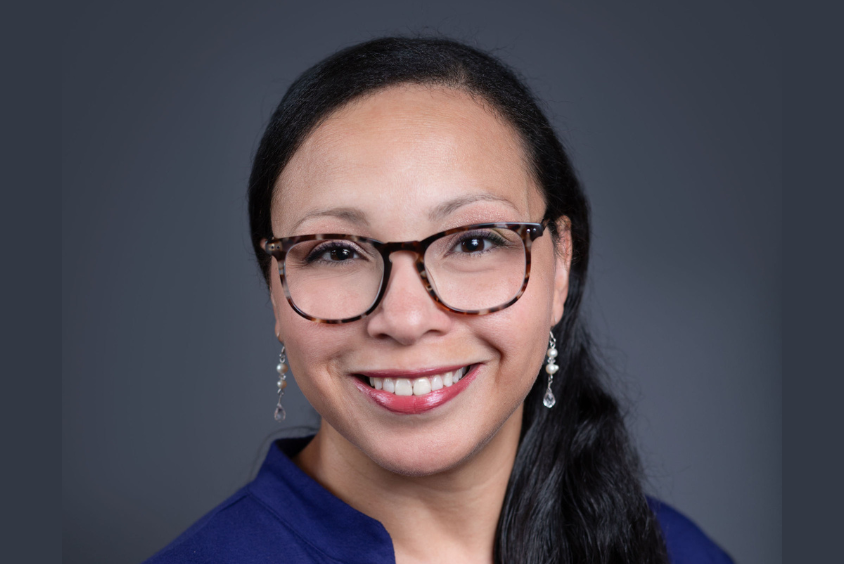
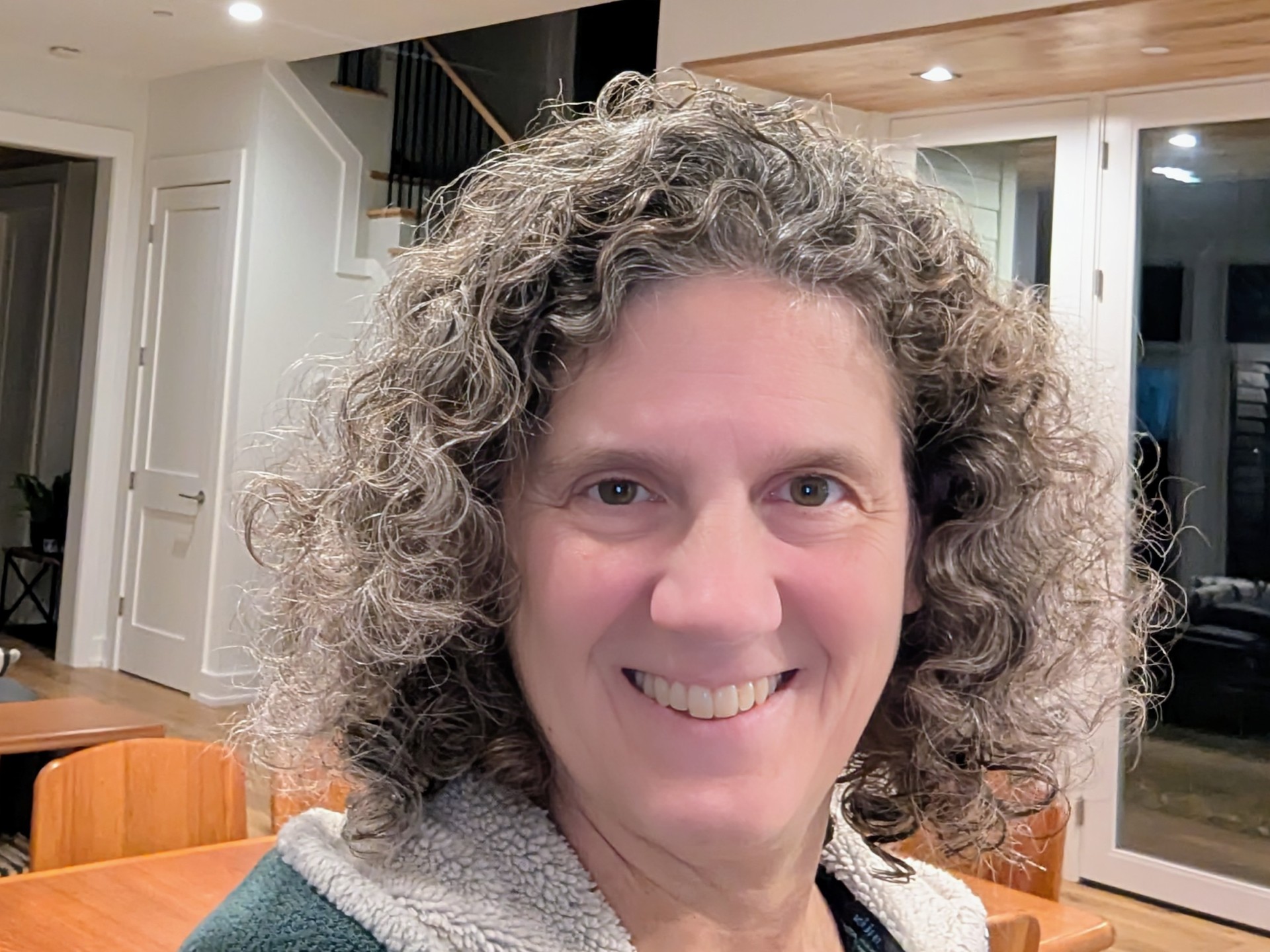
Dr. Pamela Krahl was selected as an Occupational and Environmental Medicine representative on ABPM’s Board of Directors and began her term in August 2024.
Dr. Krahl works as the Associate Director for Occupational Health Services at the Smithsonian Institution in Washington, DC, having retired in September 2024 from the US Navy following 33 years of service. She has also served since 2021 on ABPM’s Occupational and Environmental Medicine exam subcommittee.
What led you to a career in medicine and, specifically, the specialty of Occupational and Environmental Medicine?
My first career in the Navy was as a meteorology and oceanography officer. It was a fantastic first job. I worked with wonderful people in some challenging environments, including on a ship doing coastal surveys in the Middle East and later in Antarctica doing weather forecasting. As my initial commitment to the Navy was winding down, I considered whether to go to graduate school and continue in meteorology and oceanography, or to try a new adventure and apply for medical school. I ended up going to medical school on a Navy scholarship and learned about Occupational and Environmental Medicine (OEM) while I was at Emory. It just clicked with me as the perfect specialty to support my Navy shipmates when I eventually returned to active service. I also appreciated the wide variety within OEM to provide continued challenges and opportunities for growth. As you might have guessed from my description of my previous career, that was one of my most important considerations in picking a specialty.
What is the value of board certification for you?
Board certification establishes professional credibility and opens doors. It demonstrates an ongoing commitment to professionalism and quality. Oh yeah, and you get paid extra by the military, too 😊.
What do you hope to accomplish during your term on the ABPM’s Board of Directors?
My biggest goal is to contribute to raising the visibility of preventive medicine specialties amongst medical students, our fellow physicians, and employers.
For many specialties, board certification is a key qualification for medical staff privileges to practice in that specialty. Although board certification is equally relevant to ensuring competence in our specialties, it often isn’t required for those who are hired to provide preventive medicine services. Employers, including those outside of traditional health care settings, need to understand that board certification in our specialties exists and should be a key qualification, just as it is in other more well-known medical specialties.
Given the small size of our field, I believe that our specialty societies are critical to addressing our visibility challenges and must work together to be successful. We need to highlight the overlap of our specialties in a collaborative rather than competitive way, and messaging should center around why government, corporate, and other employers with the need for preventive medicine services should prioritize board certification. I hope that through the ABPM’s Board, we may be able to help catalyze these partnerships to advance us all.
What hobbies or other activities do you enjoy outside of work?
I always stay busy. I enjoy triathlons (and each of the component sports), indoor and outdoor household DIY projects, and genealogy. We recently built a new home on the Magothy River and look forward to boating next summer!
Is there anything else you’d like to share about yourself with the ABPM community?
I’m very honored to be representing OEM on the Board. I welcome anyone to reach out with questions, concerns, comments, or ideas!
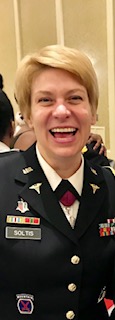
Dr. Michele Soltis is one of ABPM’s new Directors, having started her term in August 2024. Based in Falls Church, Virginia, she serves as the Chief Consultant to The Army Surgeon General. Dr. Soltis has supported ABPM’s work since 2018 as a productive member of its Public Health and General Preventive Medicine exam subcommittee.
What led you to a career in medicine and, specifically, the specialty of Public Health and General Preventive Medicine?
I recall first wanting to pursue a career in medicine after meeting my former pediatrician, Dr. Suzie. Dr. Suzie’s extraordinary competence and remarkable kindness both inspired her patients (especially this one!) and impressed their parents. At a time when there were very few female physicians practicing in my hometown, Dr. Suzie proved one could attend to patients, serve the community, and nurture a family with equal measure. I always wanted to try to be just like Dr. Suzie – and even forty-some years later, I think of her and strive to emulate the compassion and care she shared.
While I did consider pathways in pediatrics, obstetrics, and child psychiatry, it was the tremendous scope of Public Health and General Preventive Medicine that ensnared me – hook, line, and sinker! While completing a medical school rotation in Public Health and General Preventive Medicine at Madigan Army Medical Center, I fell in love with the “choose your own adventure” nature of the specialty. I came to understand and appreciate that there are few (if any) other medical specialties which train and encourage its practitioners to not only engage in direct patient care, but to also participate in important research, development, and other academic endeavors, as well as to manage programs, inform policies and lead health systems to protect and promote the safety and well-being of populations. Every day I am excited to learn new ways in which Public Health and General Preventive Medicine physicians employ interdisciplinary approaches to proactively impact the health of individuals and their communities.
What is the value of board certification for you?
Board certification irrefutably demonstrates the physician has met and mastered the established knowledge, skill, and ability standards for the specialty. To me, board certification unequivocally showcases competence, undeniably communicates credibility, and ultimately instills confidence in patients, peers, and potential employers alike. Just as the MasterCard commercials noted, I believe the value of board certification is truly “priceless.”
What do you hope to accomplish during your term on the ABPM’s Board of Directors?
I look forward to working with the Board to assist with the continued implementation and evolution of the ABPM’s Continuing Certification Program, to include the Public Health and General Preventive Medicine specialty and Health Care Administration, Leadership, and Management subspecialty Longitudinal Assessment Programs. I am eager to assist with routinely assessing and potentially revising these important educational and evaluative measures to ensure they purposefully enhance the professional performance of Diplomates.
What hobbies or other activities do you enjoy outside of work?
I really enjoy learning more about different wines, love all things Halloween, collect Fiestaware dishes, and make it a personal goal to watch every movie nominated for a Best Picture Academy Award each year. I am also on quests with my husband and son to visit as many National Parks as possible and to ride the ten tallest roller coasters in the country.
Is there anything else you’d like to share about yourself with the ABPM community?
I am so proud to be a member of our ABPM community and excited to advocate for our incredible Public Health specialties and subspecialties!
Happy New Year! All of us at ABPM wish you all the best in the coming year.
ABPM is looking forward to an exciting year in 2025. You’ll get a preview of some of the big things happening in this issue; we’ll keep you up to date on our website, by email, and on LinkedIn, too.
Something we are very excited about this year is the expansion of the Longitudinal Assessment Program (LAP) pilot to all current, time-limited ABPM diplomates. When developing ABPM’s LAP, our primary goal was to ensure that the LAP is an effective and efficient way for physicians to stay up to date in their specialty or subspecialty. We wanted to create a program that physicians will want – not just be required – to participate in and we’re excited to unveil it to you on January 7!
Another focus this year at ABPM will be improving the visibility of preventive medicine specialties and subspecialties. In an era of increasing burnout among healthcare professionals, preventive medicine is consistently rated among the best medical specialties in terms of work-life balance. It’s time to share with others what we already know – that preventive medicine careers are rewarding and offer a variety of opportunities.
To that end, we’re excited to deploy our newly minted Council of Strategic Advisors, a group of former Directors of the Board whose terms ended within the previous five years. This group of leaders will share their experiences as preventive medicine physicians with medical students, mid-career physicians, and others to support ongoing efforts of advocating for our specialties and subspecialties.
Stay tuned for more from ABPM on its efforts to promote preventive medicine. In the meantime, let us know about your experiences as a preventive medicine specialist or subspecialist. We love to feature diplomates in this newsletter and other communications. Drop us a line at [email protected].
Thank you for reading this issue of ABPM’s newsletter, and best wishes for a happy and healthy 2025!
Yours in good health, Heather O’Hara, MD, MSPH, FACOEM, FACPM
No doubt you have heard of the forays by private companies like SpaceX and Axiom Space into orbits previously only traversed by government-funded entities such as NASA. Dr. Michael Harrison, an ABPM diplomate certified in Aerospace Medicine, has extensive experience supporting commercial spaceflight crews, and is optimistic about the expanded exploration and innovation that commercial spaceflight promises.
Dr. Harrison discussed his path to the field of Aerospace Medicine, the opportunities and challenges commercial spaceflight offers, and much more, with the ABPM by email.
Dr. Harrison’s journey to the specialty of Aerospace Medicine “has been long, at times unusual or surprising, and always rewarding.” His career in medicine began with an interest in exercise physiology, in which he earned a Master’s degree and a PhD. “My interest and training in exercise physiology exposed me to what would become my career passion and theme through my experiences – human physiology and performance in extreme environments,” he says. As an instrument-rated pilot and a NITROX-certified rescue diver, he became “fascinated with how changes in temperature, humidity, and other environmental stresses can have big impacts on the expected physiological response and, as a result, have an effect upon performance. More importantly, I was fascinated with how a properly trained professional could mitigate these stresses and the associated challenges.”
He went on to medical school, becoming an emergency and critical care physician, and eventually completing Aerospace Medicine training. “Through more training and personal experience in flight and high-altitude environments, hyperbaric and diving activities, and a medical career in high-acuity clinical settings that eventually led to supporting numerous commercial spaceflight missions across multiple companies, I have been rewarded with a challenging and exciting career path. No two days are alike – there are many days where I am in awe of the people I meet and work with and incredulous that I get paid to do what I do.”
Dr. Harrison has had the unique opportunity to care for astronauts – preparing them before their trip to space, ensuring their safety during their mission, and monitoring their health upon their return to Earth. He served as Axiom Space Chief Medical Officer, where he was responsible for ensuring the health and safety of crew and passengers aboard spaceflight missions, including that of the four Axiom Mission 3 crew members traveling to the International Space Station earlier this year. His involvement in commercial space flight began in 2020 when he took a position as flight surgeon at SpaceX; he has also supported Virgin Galactic spaceflight missions. He is currently an Aerospace Medicine physician at Mayo Clinic.
Commercial space companies expand the possibility of space travel to groups of people to whom space travel was previously inaccessible. This population includes older individuals, people with chronic health conditions, and others who wouldn’t qualify as a traditional astronaut for medical reasons. As Dr. Harrison says, “The dawn of the commercial space era has opened doors for a broader spectrum of astronauts that do not fit the conventional model developed by NASA, the Canadian Space Agency, and the other governmental space agencies. The question used to be ‘How healthy do you have to be to go to space?’ This is somewhat misleading – professional astronauts are human beings and develop medical conditions over the course of their career. These conditions are evaluated, treated, and managed. The associated risk is also quantified and mitigated such that they can continue to fly missions to space. And, more often than not, they do continue to fly. Commercial space[flight] will expand the scope of this established practice – we will soon see astronauts with diabetes, a history of limb amputations, sensory deficits such as color vision deficiency, fly to space. The primary duty of the commercial space flight surgeon is to make sure the question becomes ‘How sick can you be and still go to space safely?’”
Dr. Harrison affirms the preventive aspects of Aerospace Medicine training are critical to ensure the safety of the growing number of people who now can travel to space. “Aerospace Medicine is boarded under the American Board of Preventive Medicine for exactly this reason,” he says. “The vast majority of the medical management and risk mitigation should be completed before an astronaut ever enters a spacesuit on launch day. Planning for the management of an in-flight medical contingency becomes a secondary process with a smaller chance of occurring if the efforts put into those first steps before launch are effective.” While Aerospace Medicine specialists are trained to handle in-flight medical issues, their goal is to prevent such occurrences in the first place – which they have done with much success – aligning the specialty with the core principles of preventive medicine.
Astronauts’ physical health is important, but Dr. Harrison notes that their behavioral health, including both psychiatric and psychological considerations, is also key to a successful mission. “The psychiatric component is evaluated against a set of predefined medical standards and is associated with diagnoses – major depression, bipolar schizophrenia, for example,” Dr. Harrison explains. “These diagnoses can require pharmaceutical treatment and they are often disqualifying; hopefully someday programs such as the FAA’s HIMS program will provide a basis by which commercial customers with psychiatric diagnoses can fly to space but there is work to be done still towards that goal.”
Flight surgeons play a vital role helping astronauts handle the psychological issues specific to space flight. Dr. Harrison explains that the psychological component “captures behaviors that influence crew dynamics, stress management, and other coping strategies. These are non-diagnostic elements of personality and individual quirks.” Anyone living with a roommate can likely relate – although in spaceflight, there is no escape from the idiosyncrasies of a fellow astronaut. Beyond the stress that can arise from spending extended amounts of time in a confined space with crew mates, Dr. Harrison notes, “Spaceflight presents an underappreciated psychological risk in an environment that can amplify stressors – you cannot go outside and feel fresh air on your skin, your food may taste different, your family and loved ones who are still on Earth may get sick, you might miss a milestone in the lives of your children, your mission may get extended, your research payload experiment may not work perfectly, you may not sleep well, etc.”
Despite challenges, commercial spaceflight offers exciting opportunities. For example, the lessons gleaned from caring for crew or passengers can have practical applications for caring for patients on Earth. “As commercial space expands the breadth and scope of novel medical conditions that can be supported for an orbital spaceflight mission, the benefits will most definitely translate to terrestrial populations and uses,” Dr. Harrison says. “The act of passively monitoring a crew member who might have a suddenly incapacitating medical event and providing actionable data to the terrestrial flight surgeon and flight control team who are supporting the mission on console translates to numerous conditions. For example, the capability of detecting a seizure in an astronaut sleeping in their berth and waking up other crewmembers to provide medical care may provide technologies and capabilities to allow older adults to continue to live safely in their own homes instead of transitioning to an assisted living environment. Or, the ability to detect an early change in health status in a crewmember with diabetes or other chronic medical conditions may influence a clinical action that saves a spaceflight mission; on Earth, that same information may prevent a hospitalization or a transfer to an intensive care unit.” The Earthly application of commercial spaceflight lessons, and medical and scientific advancements that result from space research, are “truly limitless,” says. Dr. Harrison.
Dr. Harrison affirms that Aerospace Medicine specialists are uniquely qualified to lead the care of those traveling to space – both astronauts and commercial space passengers. “Formal training in Aerospace Medicine at an accredited program should not be treated as a luxury or a ‘nice to have’ for any medical practitioner who is offering services to support human spaceflight,” he says. “The saying ‘you don’t know what you don’t know’ applies to this field just as it applies to any other field of medicine.”
While other specialists contribute as part of the team providing medical care to spaceflight crews, Aerospace Medicine specialists alone have the full spectrum of knowledge, training, and skills to provide comprehensive care. Efforts by physicians to assume the role of an Aerospace Medicine specialist without completing accredited training culminating in board certification in the specialty are “professionally inappropriate… The field of medicine has a long-standing duty to do no harm to our patients and the commercial space industry has a duty to ensure its customers are not being misled or exposed to any additional medical risk at any point along the course of the mission.”
Commitment to this duty has driven Aerospace Medicine specialists to successfully mitigate medical risks since the inception of space travel. “There is a publicly available list – if you know where to look – that summarizes the medical conditions that have flown to space in NASA astronauts. This list includes cardiac conditions such as arrhythmias, ophthalmological conditions such as retinal detachment, cerebrovascular events such as strokes. Despite all of these serious medical conditions, NASA is able to boast that they have never had to bring a crew home early due to a medical emergency,” Dr. Harrison notes. “Significant chronic health conditions can be managed and optimized to support crewmembers who are going to space for long-duration missions and this is a direct result of the skill, knowledge, and expertise of the Aerospace Medicine specialists who have supported spaceflight missions since the beginning with the Mercury missions. As the flight surgeons supporting commercial spaceflight missions, we have an even greater challenge in front of us – we cannot down-select to a handful of customers out of a pool of thousands and expect our companies and industry to be profitable. We also cannot expose customers to undue risk and expect the same success across the industry. We must be held accountable and practice within our scope. Board certification in Aerospace Medicine remains the gold standard in supporting the goals of expanding human spaceflight to all.”
This statement underpins Dr. Harrison’s advice to physicians and medical students who would like to pursue a career in Aerospace Medicine. He says, “One of my mentors in Aerospace Medicine was fond of saying, ‘careers are long.’ What they meant by this piece of sage advice was that our training in the early stages of our careers as physicians forms the basis for the rest of the career. A broad foundation – taught by experts and experienced practitioners in the field to meet the milestones and standards of a nationally recognized accreditation body – should not be sacrificed for anything if the ultimate goal is a long career in the field that does not have a self-imposed ceiling,” he says. “Board certification opens many doors and does not close any. If something is worth doing, it is worth doing right and this is true for any medical field. I would urge trainees to be looking at and considering the big picture of their career and the needs of their patients rather than being lured by an easier path.”
Aerospace Medicine physicians have a tall order: Dr. Harrison describes their practice as “sitting on a trap door. We send humans to a very austere and inhospitable environment and, with commercial spaceflight, we are doing so with increasing frequency.”
However, when Aerospace Medicine is done right, by qualified and well-trained specialists, the rewards are astronomical. “Optimal medical management, from a preventive health perspective, is what keeps that trap door from swinging open. If we do our jobs well with our entire team – crewmembers, systems engineers, medical team members, etc. – we will reduce the risk of having that sudden surprise of the floor falling out from beneath us in the form of a medical emergency,” Dr. Harrison says. “The reward will be supporting a crew that has gone to space to perform the next steps in research that may cure cancer, grow food in a novel manner, or provide other benefits to humanity at large over the course of their mission and then welcoming them back home safely at its completion.”
Dr. Harrison is optimistic about the future of commercial spaceflight and the boundless opportunities it provides. “Have fun. Be creative. Think critically,” he advises. “This is a new page in the human history book and there are numerous stories within the commercial space industry where novel solutions to old problems have been identified and employed. Many of them – like a lot of good ideas – are elegant in their simplicity and leave one amazed that we hadn’t thought of it sooner. We are paving the way for future generations to fly to space with the same casual frequency that we board commercial planes to go on vacation. I have three children that I would very much like to see have experiences … that are the result of the work we are doing now in supporting commercial spaceflight.”
Thank you for reading this issue of the ABPM’s newsletter!
This is a particularly special issue for me personally, as it’s my first opportunity as ABPM’s Chair to introduce myself to the ABPM community. I want to start off by saying thank you. Thank you to all of you that I have had the honor of learning from your passion and guidance in the field of Preventive Medicine. I know that I am here today because of the path that so many of you have already laid the foundation for and I am forever grateful.
I am a practicing Occupational and Environmental Medicine physician and I’ve been a Director on the ABPM’s Board since 2019. I’ve had the distinct pleasure of working under three past Board Chairs that are true trailblazers in our field and am in awe of all that they accomplished since I joined the ABPM Board. I am especially thankful for the mentorship afforded to me by our immediate past Chair of ABPM, Dr. Wendy Braund. I know I will build on the Board’s accomplishments and continue to propel ABPM into the future.
I’m passionate about communicating the value of certification for both ABPM physicians and the communities they serve. As a practicing clinical physician, I recognize that ABPM has a duty to physicians to provide relevant, flexible programs that provide value for diplomates. At the same time, preventive medicine physicians have a critical charge – to protect the health of the public – and ABPM programs are dedicated to ensuring that ABPM diplomates have demonstrated the knowledge and skills to do exactly that. ABPM’s commitment to ensuring the excellence of its programs – from initial through continuing certification – demonstrates that ABPM takes its responsibility to the public and to its physicians seriously.
Inclusive of communicating not just the value of certification, but the value that a preventive medicine physician brings to any role they serve in, I am excited for the opportunity to advocate for preventive medicine specialties and subspecialties. Working with my fellow board members, our partner specialty societies, and others, I will continue the work we’ve already done to enhance the position of preventive medicine in the house of medicine and to prioritize the expansion of the pipeline for early-career physicians and others to enter our rewarding field.
I humbly look forward to serving ABPM and our diplomates as Chair these next three years.
I wish you all the best for a happy and healthy fall season.
Yours in good health, Heather O’Hara, MD, MSPH, FACOEM, FACPM
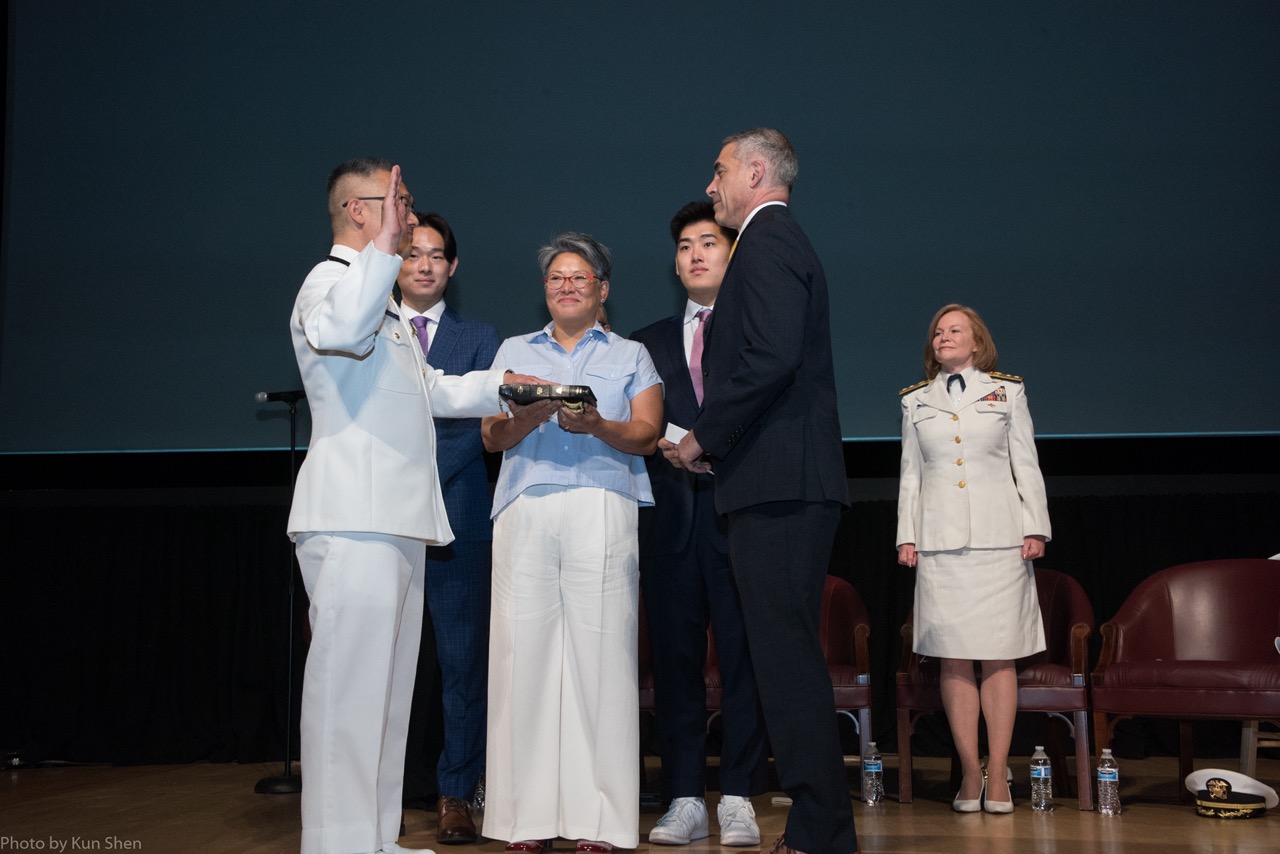
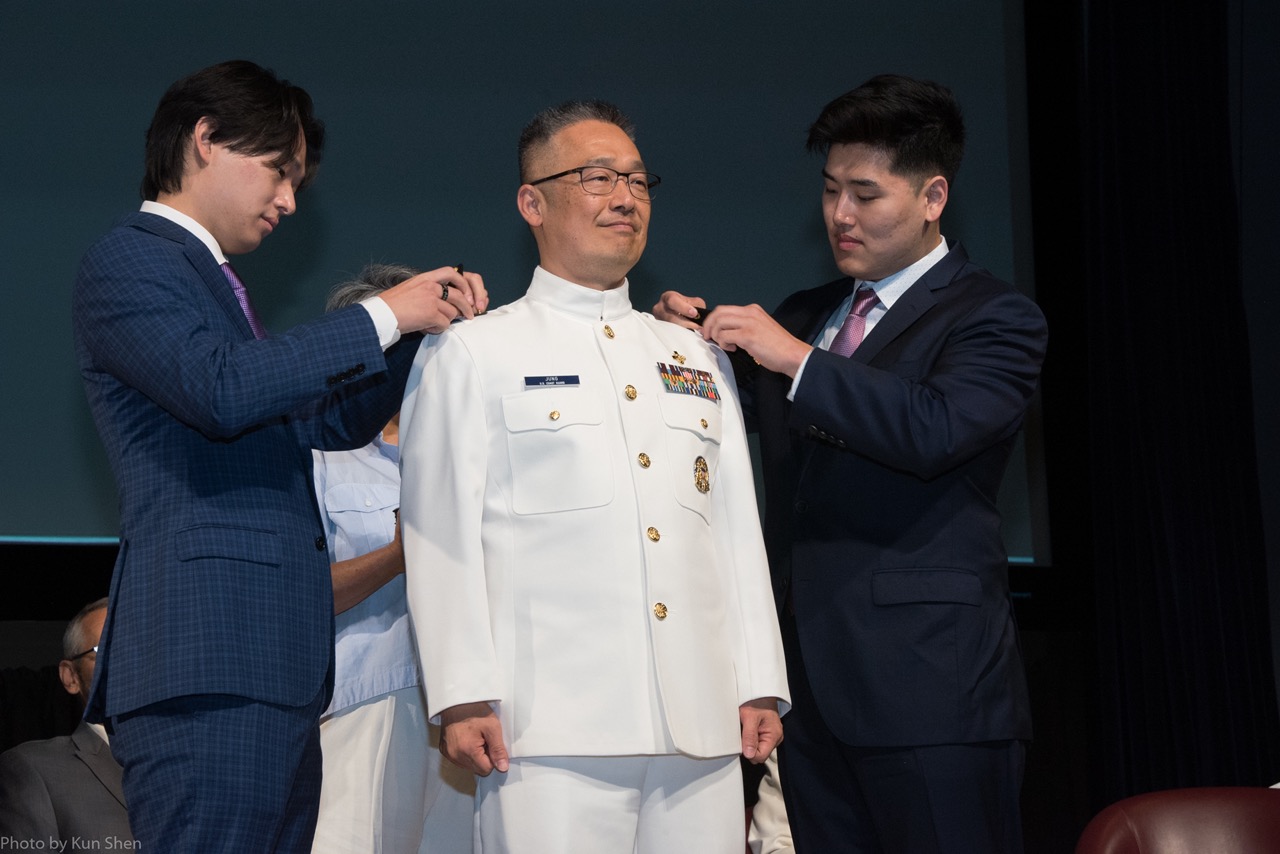
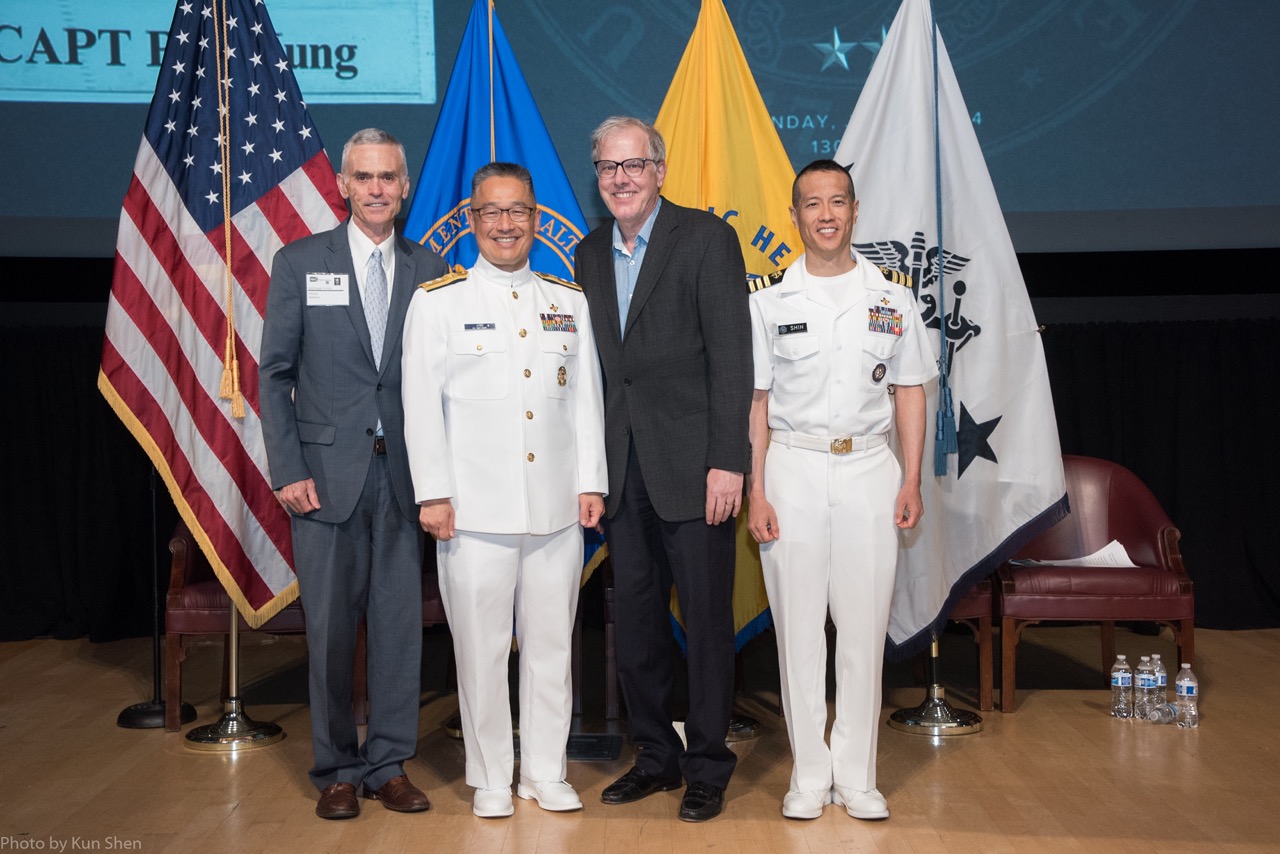
Please join us in congratulating ABPM Director, Dr. Paul “PJ” Jung, on his promotion to Assistant Surgeon General (Rear Admiral, Upper Half) in the US Public Health Service on July 1! Dr. Jung was also recently appointed as the Chief Medical Officer of the United States Coast Guard.
Dr. Jung taking the oath.
Dr. Jung with his sons, putting on his rank.
Dr. Jung with former ABPM Directors Drs. Marcel Salive and Michael Parkinson and ABPM Diplomate Dr. David Shih.